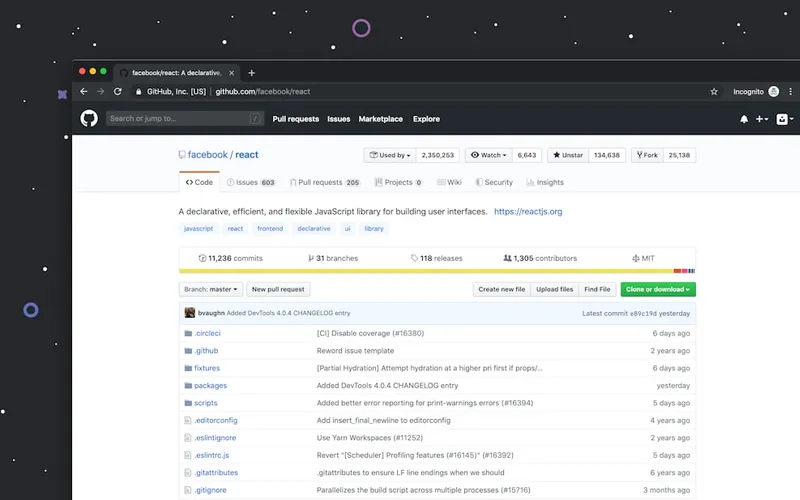
Why Ghostty's Departure from GitHub Matters—And What Comes Next
What Happened
Mitchell Hashimoto, creator of widely-used developer tools like Vagrant and Terraform, announced that Ghostty—his popular terminal emulator—is leaving GitHub. The project is migrating to a self-hosted Git infrastructure rather than remaining on the world's largest code repository platform. This wasn't a quiet move. The announcement became the highest-signal story on Hacker News with 1,437 points and 446 comments, indicating this resonates deeply with the developer community.
Ghostty itself is significant. It's not some abandoned side project—it's a modern, actively-developed terminal emulator that solves real problems for developers working on macOS and other platforms. Hashimoto is also not some unknown indie developer venting into the void. He's a respected founder with a track record of building tools that developers actually use and rely on.
Why This Matters
On the surface, one project moving platforms might seem like minor news. But this move signals something much larger: growing developer frustration with GitHub's centralization of open-source development.
GitHub has become so dominant that it's easy to forget it wasn't always the inevitable home for code. Founded in 2008, it grew to become the de facto standard for open-source projects. Today, GitHub hosts millions of repositories and has become almost synonymous with "open-source code" in many developers' minds. Microsoft acquired it in 2018 for $7.5 billion, further cementing its position as the central infrastructure of modern software development.
But dominance creates problems. When one platform controls the majority of open-source code, several risks emerge:
Platform Control: GitHub sets the rules. Changes to pricing, terms of service, or features affect every project on the platform. Developers have limited leverage to push back. If GitHub decides to change how it operates—or if Microsoft's corporate priorities shift—thousands of projects are affected.
Sustainability Concerns: GitHub is free for public repositories, but this model depends on GitHub's (and by extension, Microsoft's) continued commitment to supporting open-source. There's no guarantee this lasts forever. Corporate priorities change. Platforms shut down or pivot.
Pricing Pressure: While public repositories remain free, GitHub has been gradually expanding paid features and tightening free tier limitations. Developers increasingly feel they're being nudged toward paid plans.
Data Lock-in: All your code, issues, pull requests, and project history live on GitHub's servers. Moving away requires effort and often loses some data or context.
Hashimoto's decision to self-host signals that even successful, well-resourced maintainers are reaching a breaking point with this arrangement. If someone with his resources and reputation is willing to move away from GitHub's convenience, others will follow.
The Broader Exodus
Ghostty isn't alone. There's growing momentum toward alternative platforms and self-hosted solutions. Gitea, Forgejo, and GitLab offer alternatives. Some projects are exploring decentralized approaches. What ties these together is a shared concern: over-reliance on a single platform controlled by a corporation isn't sustainable for the long-term health of open-source software.
This matters because open-source software powers the internet. The tools, libraries, and frameworks we all depend on exist largely because developers share code freely on platforms like GitHub. If those platforms become unreliable or hostile to open-source, the entire ecosystem suffers.
What This Means for Different Groups
For Developers: You should diversify where your code lives. Relying entirely on GitHub creates risk. Consider backing up important projects, exploring alternatives, or at least understanding what your options are.
For Founders and Project Maintainers: Ghostty's move demonstrates that platform lock-in is a real risk. Even if you're comfortable with GitHub today, having an exit strategy—whether that's self-hosting infrastructure or using alternatives—gives you control and resilience.
For Companies Building Developer Platforms: This is a wake-up call. Alternative platforms and self-hosted solutions are becoming more viable and attractive. The window for GitHub to take developers for granted is closing.
What You Should Do
Audit Your Dependencies: How much of your development workflow depends on GitHub? If GitHub became unavailable tomorrow, what would break?
Explore Alternatives: Spend time understanding platforms like GitLab, Gitea, or Forgejo. Understand their strengths and limitations relative to GitHub.
Implement Backups: If you maintain open-source projects, ensure your code, documentation, and issues are backed up outside GitHub. Tools exist to automate this.
Support Decentralization: Consider using or contributing to projects exploring more decentralized approaches to code hosting. The future of open-source likely involves less centralization, not more.
Think Long-Term: When choosing where to host code, think beyond convenience. Consider sustainability, control, and what happens if the platform changes or disappears.
The Bottom Line
Ghostty's departure from GitHub is a signal. A respected developer with successful projects is saying: the centralization of open-source development on a corporate platform is a problem worth solving, even if the solution requires extra work. As more developers reach the same conclusion, expect to see meaningful shifts in how and where code is hosted. The era of GitHub's unquestioned dominance is ending. What comes next will be more distributed, more resilient, and ultimately healthier for open-source software.
Now you know more than 99% of people. — Sara Plaintext