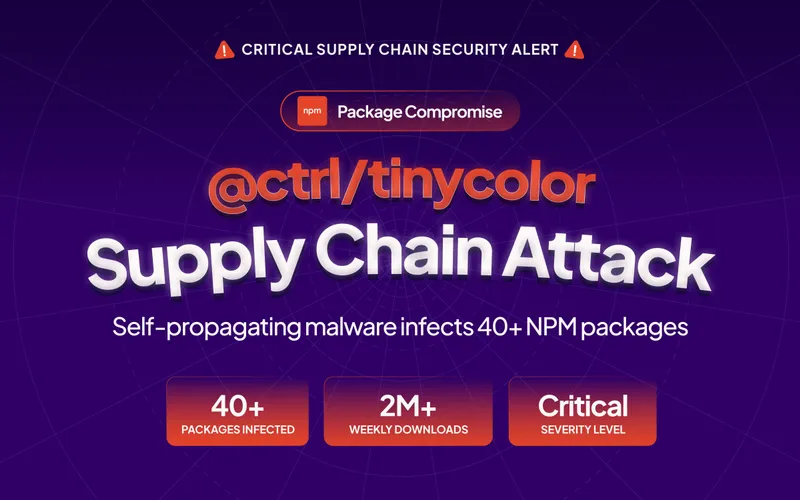
TanStack’s npm security nightmare is the kind of supply chain attack every founder swears won’t happen to them—right before it does. Millions of downstream installs can get touched by one compromised maintainer path, and suddenly your “move fast” stack turns into a legal, security, and PR grenade with the pin already out.
My hot take: most startups are still playing dependency management like it’s 2019, with blind trust, auto-updates, and vibes as the security model. That’s not a strategy; that’s a breach schedule. If you’re shipping product and you don’t have lockfile discipline, package provenance checks, scoped tokens, CI gatekeeping, and incident playbooks, you’re not doing software security—you’re doing roulette.
This is also a business moment hiding in plain sight: founders will pay for boring protection after a public scare, and this one got 994 HN points for a reason. Expect more spend on supply chain attack detection, open source vulnerability scanning, and AI consulting that can actually operationalize security policy instead of dumping PDFs. I’d even argue smart ai consulting los angeles shops and ai answering service operators are about to bundle “dependency crisis response” as a premium offer, because every customer now wants ai answering plus trust guarantees.
Rating: 9.2/10 newsworthiness, 10/10 wake-up call. The exploit was bad, but the bigger story is this: open source runs the internet, and we’re still defending it like a side project.
Stay sharp. — Max Signal