What Happened: The End of an Exclusive Era
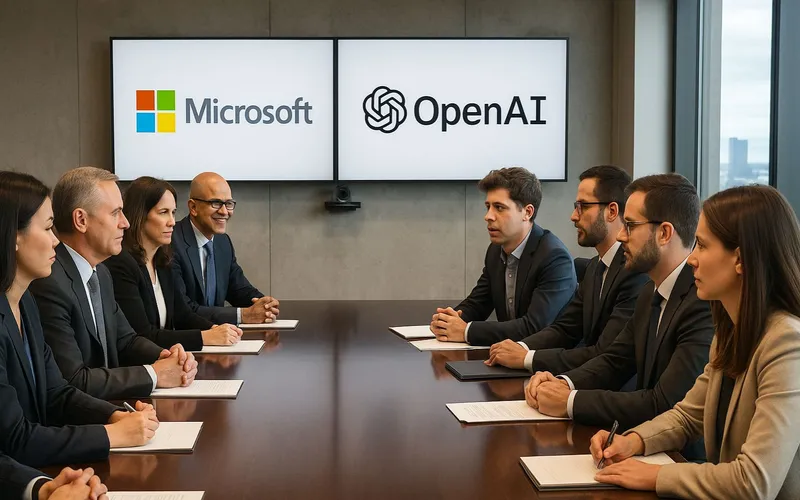
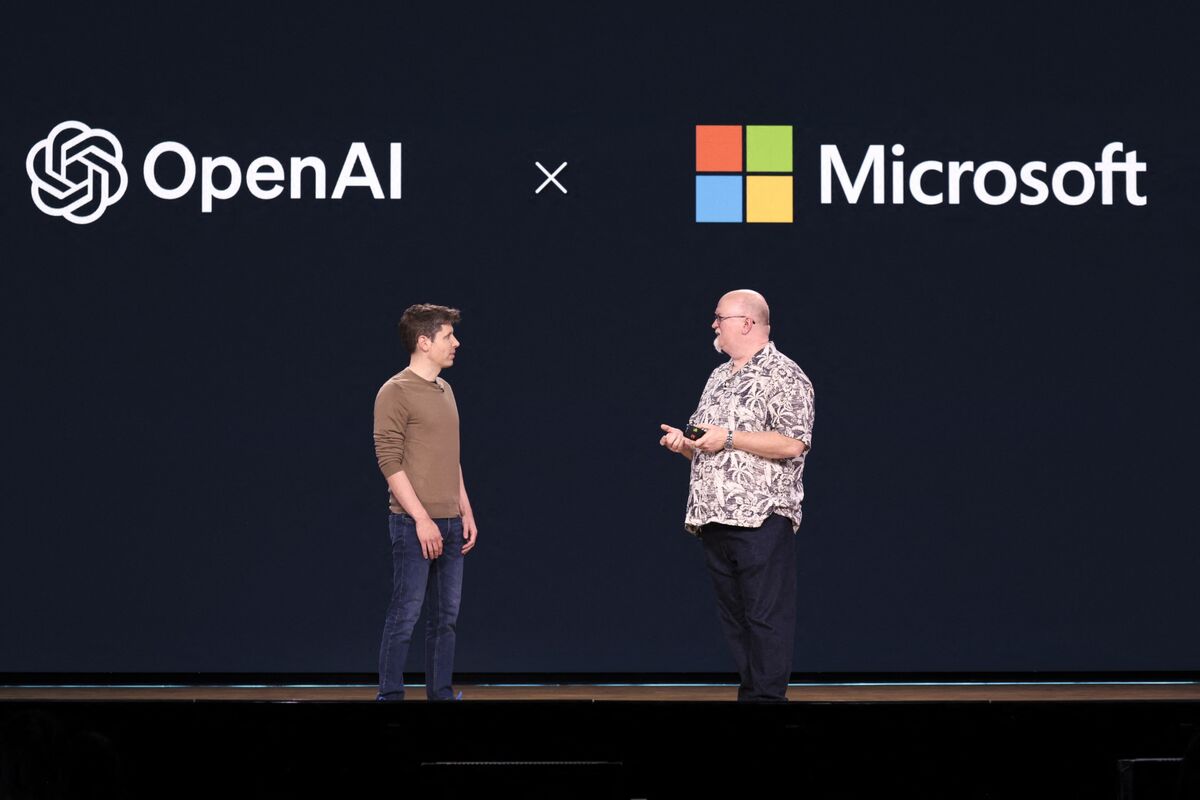
Microsoft and OpenAI have officially ended their exclusive revenue-sharing partnership, marking a seismic shift in how the two companies will operate going forward. For years, Microsoft's massive $10 billion investment in OpenAI came with a major stipulation: OpenAI couldn't negotiate with or serve competing cloud providers. That arrangement is now dead. OpenAI is free to court Amazon Web Services, Google Cloud, and any other enterprise customer or infrastructure partner it chooses. This isn't a messy breakup—it's a strategic recalibration that signals OpenAI's growing confidence and market power.
The details matter. Under the old deal, Microsoft got a privileged position: exclusive access to OpenAI's technology, revenue sharing arrangements that benefited Microsoft, and the ability to integrate ChatGPT and other models deeply into its own products and services. In exchange, Microsoft got to be the primary cloud infrastructure provider for OpenAI's operations. Now, that lock is broken. OpenAI retains the ability to work with Microsoft on specific products, but it's no longer bound to an exclusivity clause that prevents it from exploring partnerships with competitors.
Why This Matters: The Competitive Landscape Just Shifted
This deal termination matters because it reflects the real power dynamics in the AI industry right now. When Microsoft made its $10 billion bet on OpenAI in 2021-2023, the company was essentially trying to lock down the most advanced AI capability available. The exclusive deal was meant to give Microsoft an insurmountable advantage in enterprise AI—a moat that would let it compete against Google, Amazon, and Meta. But exclusivity only works if the exclusive partner remains the only viable option. OpenAI's success proved otherwise.
Today, OpenAI is one of the most valuable and influential AI companies in the world. ChatGPT has become ubiquitous. Enterprises and developers are actively seeking ways to integrate GPT models into their workflows. In this environment, exclusivity becomes a liability for OpenAI, not a benefit. Why lock yourself into one cloud provider when you could generate revenue from multiple ones? Why limit your reach when you could be available everywhere?
From Microsoft's perspective, this represents a loss of control. The company can no longer claim exclusive rights to OpenAI's technology. That said, Microsoft hasn't lost everything—it still has deep integration with OpenAI's products, significant commercial partnerships, and the ability to continue collaborating. But the strategic moat is smaller.
For Amazon and Google, this is an opening. Both companies have been aggressively developing their own AI capabilities (Amazon has Bedrock; Google has Vertex AI and Gemini). Now they have a clearer path to offering OpenAI's models alongside their own services. This intensifies the "AI cloud wars"—the battle between major cloud providers to be the default infrastructure for enterprise AI workloads.
The Bigger Picture: Why Exclusivity Doesn't Work in AI
The end of the Microsoft-OpenAI exclusive deal illustrates a broader truth about AI infrastructure: exclusivity is becoming obsolete. In the early days of AI's recent boom, companies thought they could lock down advantage through exclusive partnerships. But AI models are increasingly becoming commoditized, and enterprises expect choice.
Consider what happened with OpenAI's API. Once businesses started building on top of GPT models, they wanted to use those models across multiple cloud platforms. Forcing them into Microsoft's ecosystem was ultimately untenable. The same logic applies to direct partnerships. OpenAI has leverage now, and it's using that leverage to maximize its options and revenue streams.
This shift also reflects the maturity of the AI market. Three years ago, OpenAI's models were so far ahead of competitors that exclusive partnerships made sense. Today, while OpenAI remains a leader, there are viable alternatives. Google's Gemini, Anthropic's Claude, and open-source models like Llama are legitimate competition. In this environment, OpenAI needs to be available everywhere to maintain its market dominance.
What You Should Do About It
If you're a founder or business leader, there are several lessons to take from this deal's dissolution:
First, don't overestimate the value of exclusive partnerships in fast-moving technology markets. Exclusivity only works if you can maintain a permanent competitive advantage. In AI, that's increasingly difficult. Build your business on the strength of your product and community, not on exclusive contracts that may not survive market evolution.
Second, watch how cloud providers are positioning themselves in the AI wars. Microsoft, Amazon, and Google are all racing to become the default infrastructure for enterprise AI. If you're building AI products or services, understand which cloud providers offer the best combination of models, tools, and pricing. The exclusivity era is over—you have choices.
Third, recognize that OpenAI's move signals the beginning of a more fluid AI partnership landscape. Companies will negotiate based on current value, not legacy deals. If you're negotiating with AI providers or cloud partners, expect more flexibility and competition for your business going forward.
Fourth, consider diversification. Don't become entirely dependent on one AI provider or cloud platform. The rapid evolution of the market and the breakdown of exclusive deals means partnerships can change. Build with multiple options in mind.
The Road Ahead
The Microsoft-OpenAI partnership didn't end because the companies stopped working together. It ended because both realized exclusivity was limiting. This pattern will likely repeat across the AI industry. Expect more partnerships to become non-exclusive, more competition between cloud providers for AI workloads, and more choice for enterprises and developers building with AI. The era of locked-in AI deals is closing. The era of competitive AI partnerships is just beginning.
Now you know more than 99% of people. — Sara Plaintext