What Happened
Fortune reported that Martha Stewart is launching a new AI startup called Hint, built to predict home problems before they become expensive disasters. The company is backed at seed stage by Slow Ventures, and the core promise is simple: use AI to tell homeowners what is likely to break next, when it might happen, and what to do now to avoid a bigger bill later.
That sounds small until you think about how people actually experience home ownership. Most homeowners do not have a reliable maintenance system. They react late, pay emergency rates, and lose weekends to contractor chaos. Hint is trying to flip that from reactive panic to proactive planning.
This is not “AI for fun.” It is AI property management for regular households, wrapped in a mainstream consumer brand with massive reach.
Why This Story Is Bigger Than One Startup
The obvious headline is celebrity plus AI. The more important headline is distribution plus trust plus recurring pain. Martha Stewart brings more than name recognition. She brings decades of authority in home care and a gigantic built-in audience, reportedly over 100 million followers across channels.
That matters because many AI products fail at the exact same point: people do not trust them enough to use them in real life decisions. Home maintenance decisions involve money, safety, and stress. If a platform says your roof has two years left or your HVAC is likely to fail before summer, you need to believe it enough to act.
Most technical founders have to spend years buying that trust. Martha starts with it.
What Hint Is Actually Selling
At a product level, this is predictive maintenance software for homeowners. The likely workflow is: collect data about your home, track system age and condition, model failure risk, push reminders and recommendations, and route you to next steps before the issue becomes an emergency.
Think practical examples. Your HVAC shows a higher failure probability heading into peak summer usage. The system prompts you to service now for a few hundred dollars instead of replacing a dead unit during a heatwave for several thousand. Or it flags roof wear trends before leaks damage insulation and ceilings. Or it warns that plumbing risk is climbing based on age, history, and seasonal patterns.
The value proposition is clear: save homeowners money, reduce surprise failures, and lower decision fatigue. If it works well, estimates like $1,000 to $5,000 in annual avoided costs are believable for many households, especially in older homes.
The Business Model Is the Real Play
The most interesting part is not the model. It is the monetization path. This is the modern B2C AI playbook in clean form: pick a high-frequency, high-pain category, build a prediction layer, and convert that into subscription revenue.
Home maintenance is ideal for this because the pain is both emotional and financial. Homeowners already spend thousands per year on upkeep. They are not trying to avoid spending entirely; they are trying to avoid bad timing, avoid emergency markups, and avoid preventable damage.
That creates room for a recurring product. If Hint can reliably reduce costly surprises, monthly subscription economics can be strong. Add partnerships for service providers, financing, warranties, or concierge support, and the revenue stack can get much bigger than subscription alone.
Why AI Property Management Is a Serious Category Now
For years, “property management software” mostly meant landlord tools, rent operations, and back-office platforms. This shift is different. AI property management is moving into owner-occupied homes, and that opens a huge consumer market.
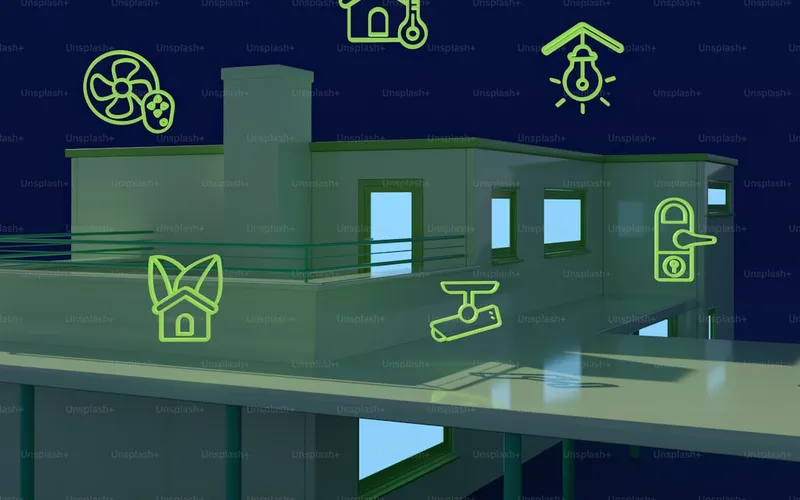
The category also overlaps with home automation and smart home AI, but with a more financially concrete promise. Instead of “your lights are smarter,” the pitch is “your house will stop surprising you with four-figure emergencies.” That is a much easier story to sell.
In broader AI markets, this is similar to what happened with vertical products like ai answering service tools or ai hiring tools. The winners did not just add AI features. They tied AI outputs to one expensive business outcome and made that outcome measurable.
Can This Actually Work Technically?
The hard part is not generating reminders. The hard part is prediction quality and action quality. Bad alerts create fatigue. Missed alerts kill trust. Generic advice is ignored. To be useful, the model has to understand local conditions, home age, materials, maintenance history, and seasonal stress patterns.
It also needs a good human layer. Homeowners do not just need risk scores; they need clear next actions, realistic cost ranges, and trustworthy provider options. If the product only says “possible plumbing issue,” that is noise. If it says “likely water-heater failure window in 6-12 months, estimated replacement range is X-Y, here are vetted options,” that is actionable.
So yes, the opportunity is huge, but execution risk is real. Consumer retention will depend on whether predictions feel accurate and useful in everyday life, not in demo mode.
Competitive Implications
Hint will not be alone for long. Once investors see traction in this segment, expect fast competition from insurtech, proptech, utilities, home warranty players, and big smart home ecosystems. Some incumbents already have partial data pipes and can move quickly if they prioritize this lane.
Where Hint may have an edge early is storytelling and onboarding. Getting people to input home details, connect devices, and trust preventive recommendations is as much a behavior-change problem as a technical problem. A familiar brand voice can reduce that friction.
This is the same strategic lesson founders in adjacent markets should notice, including teams comparing operational stacks like ai construction workflow vs bridgit.com or firms building ai consulting services for real-estate operations. Distribution and credibility are often as decisive as model performance.
What Homeowners Should Do Right Now
If you are a homeowner, you do not need to wait for one perfect app to start getting value. Begin by centralizing your maintenance history: appliance ages, repair invoices, warranty dates, and seasonal service schedules. AI tools are much more useful when your baseline data is organized.
Next, prioritize the high-cost failure systems first: HVAC, roof, plumbing, electrical, and water heaters. Even simple preventive steps in these categories often produce the biggest savings. Then set annual and seasonal review checkpoints so maintenance decisions are planned, not reactive.
When evaluating tools like Hint, ask one practical question: does this product help me make better decisions before failure, or does it just send reminders I could set myself? The difference determines whether a subscription is worth it.
What Founders and Operators Should Learn From This
The Martha Stewart move is a blueprint for real-world AI commercialization. Find a category with expensive recurring pain. Build prediction tied to action. Wrap it in trusted distribution. Monetize outcomes, not novelty.
This is also a reminder that the best AI companies are often behavior companies. The model can be excellent, but if users do not trust the workflow or cannot act easily on recommendations, growth stalls. The “AI layer” must connect to service execution in the real world.
For operators in consumer AI, this may be the most practical signal of all: winning products are increasingly those that reduce stress and save money in boring, high-friction parts of life.
Bottom Line
Hint is not just another celebrity startup. It is a serious attempt to turn predictive maintenance into a mainstream consumer AI business. The combination of a trusted home expert, strong distribution, and a painful recurring problem makes this one of the more credible B2C AI bets on the board right now.
If the product can consistently predict failures early and drive simple action, the upside is massive. If it cannot, it becomes another reminder that AI excitement alone does not create retention. Either way, this launch is a clear marker of where the market is going: AI that quietly prevents expensive problems will beat AI that only impresses on day one.
Now you know more than 99% of people. — Sara Plaintext