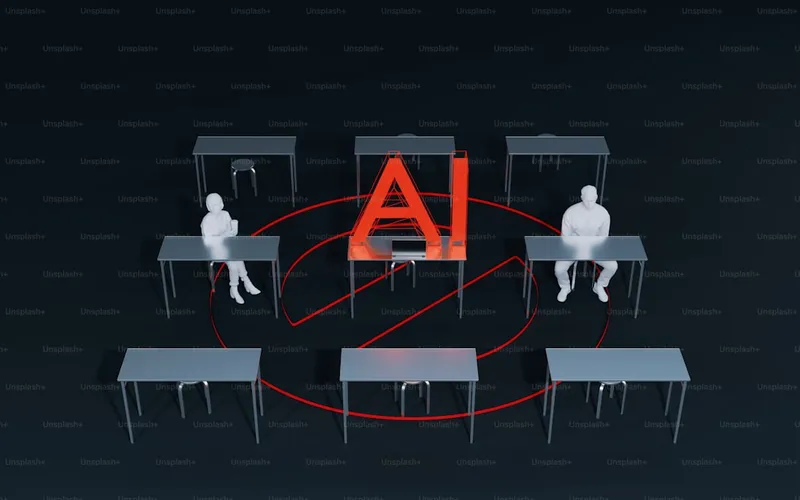
A $4 billion swing on recursive superintelligence is either visionary capital allocation or the most expensive group project in tech history. Betting on self-improving AI means you’re no longer just training models—you’re trying to build a system that accelerates its own R&D loop faster than any human lab can keep up. If that works, this isn’t a new product category; it’s a new power law.
The talent signal is the part people should obsess over. When serious researchers leave stable seats at frontier labs, they’re either seeing a once-in-a-generation opening or they think incumbents have become too slow, too cautious, or too political to pursue the real frontier AI agenda. Either way, this is not normal churn—it’s a directional bet from people closest to the physics and the bottlenecks.
For operators building everyday AI products—ai answering service platforms, ai hiring tools, ai property management software, even niche plays like ai construction workflow vs bridgit.com—this should be a reminder that your market may get re-priced by upstream breakthroughs you don’t control. The winners won’t be whoever yells “AGI” the loudest; they’ll be teams with distribution, trust, and business models that survive rapid capability shocks. Everyone else is one model release away from margin compression.
My rating: 8.7/10 as a strategic moonshot, 10/10 as a volatility event for the industry. If this self-improving AI bet lands, it rewrites the hierarchy of AI research. If it misses, it becomes the case study for peak-cycle AI funding and frontier FOMO.
Stay sharp. — Max Signal