What happened
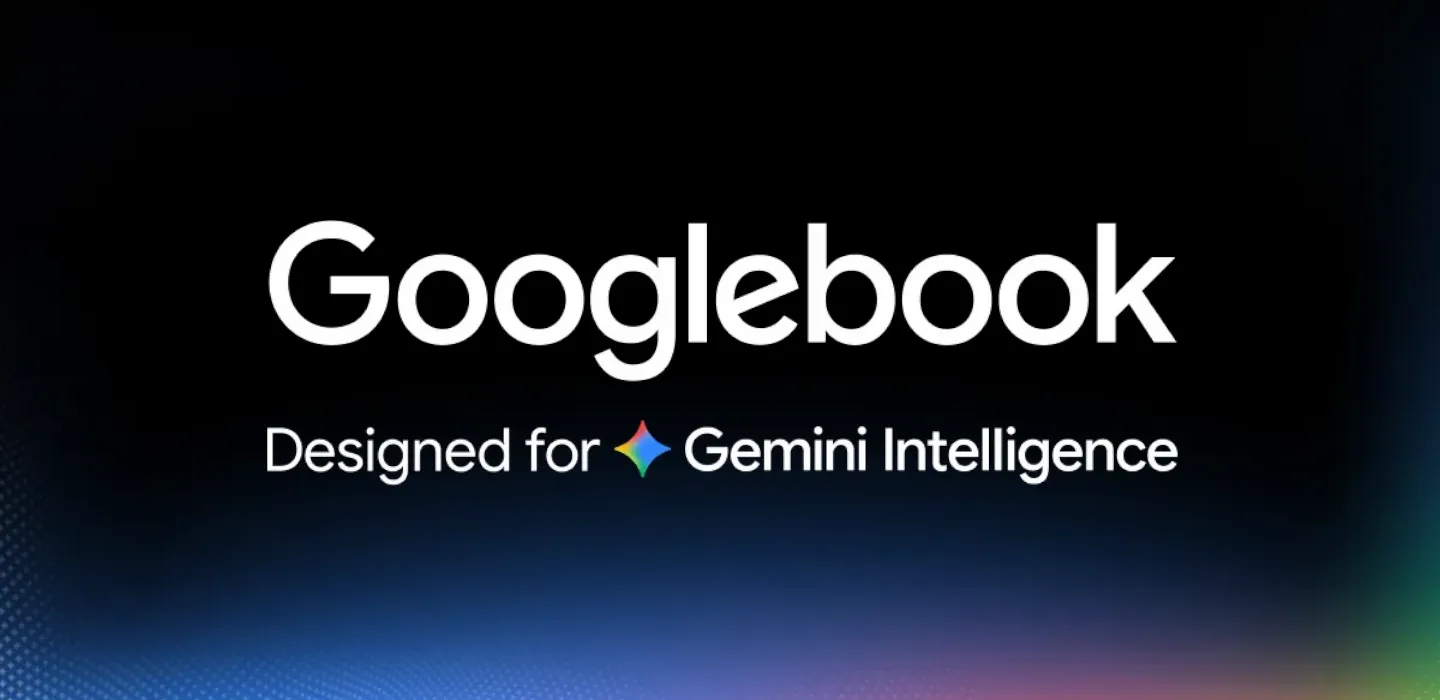
A link called “Googlebook” hit the Hacker News front page and exploded: 882 points and roughly 1,400+ comments. That level of engagement is not normal, even for big-name launches. The weird part is the same thing that made it viral: nobody seems fully sure what the product actually is.
So the story is less “Google launched X feature” and more “Google triggered a massive curiosity event with an unclear product narrative.” That can mean one of two things: either we’re looking at an intentionally staged reveal, or we’re watching another classic ambiguous Google launch that the market has to decode in public.
Either way, builders are paying attention because attention at that scale is signal. You don’t get that many technical people arguing in one thread unless they think something potentially important is happening.
Why this matters
When a product is vague but still dominates discussion, the conversation itself becomes part of the launch. People fill in blanks, speculate on use cases, and test hypotheses against Google’s existing ecosystem. In practice, that can create more momentum than a perfectly clear but boring release.
For founders, the key lesson is simple: curiosity is a growth engine, but confusion is a conversion tax. Google can often afford that tradeoff because it already has distribution, infra, and trust reserves. Most startups cannot.
The bigger strategic point is that Google still has unique gravity in builder tools and developer mindshare. Even an opaque product can force competitors, partners, and founders to stop and reevaluate roadmaps for a week.
What “Googlebook” might represent
Without confirmed detail, there are only scenario buckets, not conclusions. It could be a new product category, a rebrand of an existing initiative, a thin preview of a larger platform, or a deliberate teaser meant to test messaging before broader rollout.
If it’s a real new category, the upside is obvious: first-mover narrative, ecosystem lock-in potential, and fresh primitives developers can build around. If it’s mostly a teaser without deep product substance, we’ll likely see the usual curve: spike in discussion, then sharp decay.
The reason people are still watching is that Google has a history of both outcomes. Some launches become foundational infrastructure. Others vanish into the graveyard. That uncertainty is exactly why this moment is interesting.
The engagement math is the story
882 points and 1,466 comments (or thereabouts) means a massive curiosity gap. Curiosity gap is when demand for interpretation outruns supply of information. In product terms, that’s a rare but volatile asset.
Handled well, it creates a high-intent audience waiting for clarity. Handled poorly, it creates narrative drift where the market invents ten meanings, then gets disappointed when reality is narrower.
For a company like Google, this can still work because follow-on launches, docs, and integrations can catch up later. For smaller teams, curiosity gap without rapid clarification usually burns trust.
Why Google launches often feel confusing at first
Google frequently ships platform-adjacent products that make more sense six months later than on day one. That’s not always incompetence. Sometimes the launch is intentionally narrow because the real strategy depends on ecosystem behavior, partner adoption, and internal alignment that only becomes visible over time.
Google also tends to launch into a dense product portfolio where naming and positioning overlap. A new surface might touch Search, Workspace, Cloud, Android, or Gemini-style model layers simultaneously, which makes instant clarity difficult for outside observers.
The result is familiar: early confusion, intense speculation, then eventual bifurcation into either “quietly essential” or “quietly abandoned.” Founders should assume this pattern is structural, not accidental.
What founders should do right now
First, don’t pivot on hype alone. A top HN post is a signal to investigate, not a signal to rebuild your company. Wait for concrete APIs, pricing, roadmap commitments, and developer docs before making structural bets.
Second, map dependency risk. If Googlebook becomes a real builder platform, ask how it could compress your feature moat. Could Google absorb your core workflow? Could your onboarding rely on their distribution? Could your costs drop if they open useful primitives?
Third, run lightweight scenario planning. Prepare three plans: “ignore,” “integrate,” and “compete.” The goal is decision speed when details land, not prediction perfection today.
Fourth, watch behavior, not slogans. Track whether credible builders ship production projects on it, whether third-party tutorials appear, whether bug-fix velocity is strong, and whether Google commits sustained product investment.
What product teams can learn from this launch dynamic
There’s a practical messaging lesson here. Mystery can create demand, but your second beat must deliver clarity fast: what it is, who it is for, what problem it solves, and why now.
If users need a 200-comment thread to understand your product, your launch narrative is under-specified. If users argue because the product is genuinely novel and category-defining, that’s a different and much better problem.
The distinction is crucial. Novelty confusion can mature into adoption. Basic positioning confusion usually decays into indifference.
Could this be a game-changer or a flop?
Yes, and both are plausible from current information. If Googlebook introduces a durable new primitive for builders, this could look obvious in hindsight and become one of those “we should have moved sooner” moments. If it lacks clear utility or sustained execution, it’ll be another spike-and-fade episode in Google launch history.
The market tends to overreact to week-one attention and underreact to month-six adoption data. Smart operators do the opposite: stay calm during hype, then move aggressively when real usage patterns become measurable.
So the right posture is not cynicism or blind excitement. It’s disciplined curiosity.
Bottom line
Googlebook’s viral HN run proves one thing immediately: builders care enough to spend serious attention trying to decode it. That alone makes it worth tracking.
But attention is not product-market fit. Until concrete details, docs, and sustained shipping behavior arrive, treat this as a high-signal uncertainty event, not a guaranteed platform shift.
For founders, the play is straightforward: monitor closely, avoid panic pivots, prepare integration scenarios, and be ready to move once the fog clears. Google’s launches often look confusing at first and obvious later. Your edge is being ready for both outcomes before everyone else is.
Now you know more than 99% of people. — Sara Plaintext