California Is Now Ticketing Autonomous Vehicles—Here's What Just Happened
California has crossed a significant threshold. The state is officially beginning to issue traffic citations to driverless cars that violate traffic laws. This isn't a test run or a pilot program. It's enforcement. After years of autonomous vehicles operating in a gray zone between experimental technology and everyday transportation, regulators have drawn a clear line: self-driving cars must follow the same traffic rules as human drivers, and violations come with fines.
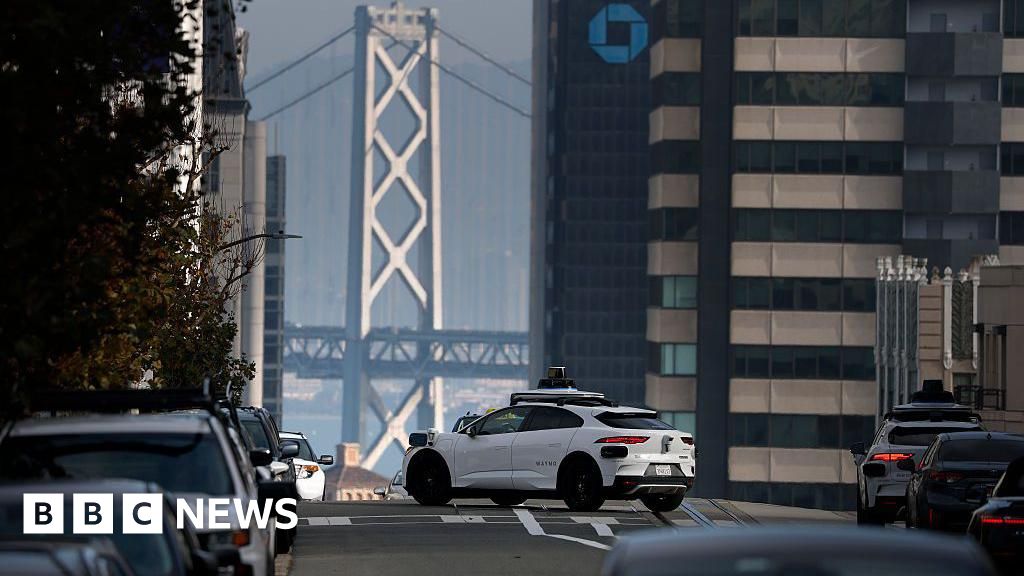
The move signals a fundamental shift in how the industry operates. Companies like Waymo and Cruise have been expanding their robotaxi services across California with relative regulatory freedom. Now they face real consequences for traffic violations. The first tickets are already being issued, and industry leaders are expected to respond within days.
Why This Matters More Than You Think
This regulatory action represents the moment when autonomous vehicles transition from experimental technology to accountable transportation systems. For years, the self-driving industry has operated in a state of regulatory uncertainty. Companies pushed for expansion, regulators struggled to keep up, and the question of who bears responsibility for violations remained murky. A driverless car running a red light—is that the manufacturer's fault? The fleet operator's? The software developer's? California is answering: it doesn't matter. Someone is liable, and fines will be issued.
The implications ripple across multiple industries. Insurance companies need new models for autonomous vehicle coverage. Fleet management companies must now account for regulatory compliance as a core operational cost. Manufacturers will need to ensure their systems don't just drive safely—they must drive legally. This is the moment regulatory clarity actually arrives.
For the broader AI enterprise sector, this is a watershed moment. Autonomous vehicles are among the most visible and complex AI systems deployed in the real world. How California regulates them sets a precedent for how governments will approach accountability in AI systems more broadly. If driverless cars can be ticketed for violations, then AI systems in other domains—healthcare, finance, decision-making—will eventually face similar accountability frameworks.
The Business Reality: Market Acceleration Through Clarity
Counterintuitively, this crackdown accelerates market growth. Founders and investors in autonomous vehicles, compliance technology, and fleet management have been waiting for exactly this moment. Regulatory clarity, even strict regulatory clarity, is better than uncertainty. Now they know what the rules are. They can build products and services around them.
Consider the cascading opportunities. Autonomous vehicle manufacturers must invest heavily in ensuring legal compliance—not just safe driving, but lawful driving. That's development cost, testing cost, and ongoing monitoring. Fleet operators managing driverless cars need compliance management systems. Insurance companies need new AI-driven underwriting models for autonomous fleets. Compliance technology startups now have a clear market need: helping autonomous fleets avoid violations and manage regulatory requirements.
For companies offering AI consulting and AI solutions, this opens a direct business line. Organizations deploying autonomous vehicles or managing fleets need expertise in regulatory compliance, risk management, and AI accountability. The demand for AI consulting in Los Angeles—where many autonomous vehicle operations are based—is about to increase significantly.
What Companies Should Do Right Now
If you operate autonomous vehicles, the response is immediate: audit your fleet's driving behavior against California traffic law. Review violations systematically. Understand which infractions are most common in your operations. This data is critical for two reasons: it helps you improve your systems to avoid future violations, and it gives you evidence of compliance efforts if regulators come calling.
For manufacturers, this is a signal to prioritize legal compliance in your AI development roadmap. Your systems should not just be safe; they should be demonstrably lawful. This means extensive testing against real-world traffic patterns, edge cases, and local traffic regulations that vary by jurisdiction.
For fleet operators and logistics companies considering autonomous integration, budget for compliance infrastructure. Expect to invest in monitoring systems, legal review processes, and potentially AI consulting expertise to navigate the regulatory landscape. The cost of non-compliance—both in fines and operational disruption—makes this investment necessary.
For insurance providers, this is the moment to develop autonomous vehicle-specific policies that account for regulatory compliance risk. Premiums should reflect not just accident risk but violation risk.
The Bigger Picture: Accountability in the AI Age
What makes California's move genuinely significant is that it establishes a principle: AI systems operating in the physical world are subject to the same legal standards as human actors. A driverless car isn't exempt from traffic law because it's controlled by an algorithm. That principle will extend far beyond autonomous vehicles.
This is the beginning of mature AI regulation. Not prohibition, not heavy-handed restriction, but clear rules with clear enforcement. The autonomous vehicle industry doesn't like paying fines, but it can operate around rules. Uncertainty is what kills investment and growth. California just eliminated the uncertainty.
For founders, investors, and business leaders watching the AI space, pay attention. This is what regulatory maturity looks like. And it's coming to every industry where AI systems make consequential decisions.
Now you know more than 99% of people. — Sara Plaintext