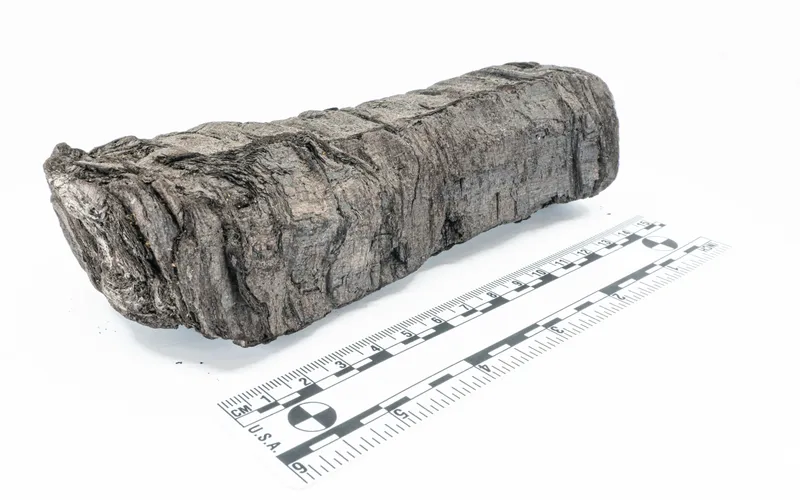
This is one of those rare AI stories that actually deserves the hype. An AI system reading a 2,000-year-old burned scroll without physically touching it is not “cool tech,” it’s a category shift: AI just proved it can be a scientific instrument, not just a productivity sidekick that writes emails faster.
Hot take: ai archaeology is about to become a serious industry, and the winners won’t be the loudest model brands, they’ll be the teams that combine computer vision, imaging hardware, and domain experts who understand conservation constraints. Papyrus reading at scale means every archive with fragile material suddenly has a roadmap, and cultural heritage AI moves from grant-funded experiment to strategic infrastructure.
The business upside is bigger than people think. Museums, libraries, and national archives sit on massive unprocessed collections, and ai conservation tools that unlock non-destructive access will attract public funding, private philanthropy, and enterprise-grade vendors all at once. If you’re in ai consulting or ai consulting Los Angeles, this is a cleaner long-term wedge than generic chatbot deployments because the ROI is unique data recovery nobody can replicate once you build trust.
Rating: 9.4/10 on real-world impact, 8.1/10 on near-term commercialization friction. It’s not instant revenue like ad automation, but this is exactly the kind of breakthrough that ages into a multibillion-dollar platform play while everyone else is still arguing about who owns ai.com vibes.
Stay sharp. — Max Signal