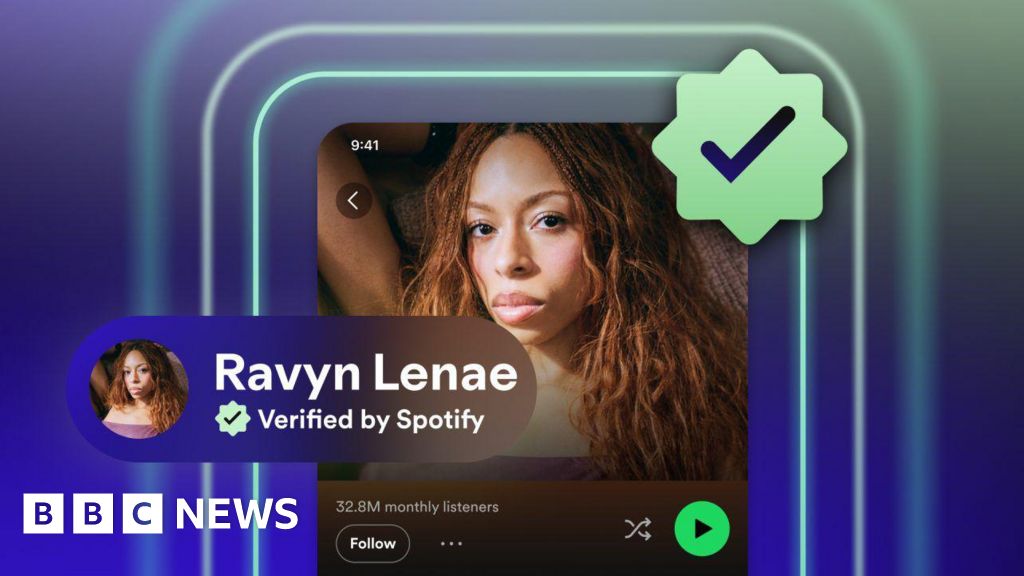
Rating: 6.5/10 — A necessary move that solves nothing.
Let's be real: Spotify's "verified" badge for human artists is a capitulation dressed up as a solution. The company is basically admitting that their algorithm can't tell the difference between a bedroom producer and a Bandcamp bot, so they're outsourcing the problem to users. A badge doesn't fix discovery—it just lets Spotify claim they're doing something while the platform continues to hemorrhage attention from legitimate creators. This is what happens when platforms wait until the problem becomes existential before acting.
The bigger problem? Human artists now have to actively *prove* they're human. That's backwards. We've inverted the burden of proof. Instead of making AI generators prove what they are, Spotify is forcing real musicians to jump through hoops for a shiny digital sticker. Meanwhile, bad actors will simply lie, get verified somehow, and keep flooding playlists with synthetic garbage. The verified badge is security theater for the music industry.
That said, this move does signal something important: authenticity is becoming a premium feature, not a baseline assumption. Creators who can prove they're human—and who build personal brands around that fact—will win. But this also means the "human artist" economy is about to fracture hard. Indie creators with verified badges become a class above the rest. Spotify isn't leveling the playing field; they're just making the divisions more visible. For platforms, that's strategic genius. For the music industry, it's a slow-motion collapse pretending to be a solution.
The real hot take: Spotify should've been labeling AI music from day one, not human music now. But that would've required them to take a stance earlier, when it actually mattered.
Stay sharp. — Max Signal