OK so here's what's actually going on...
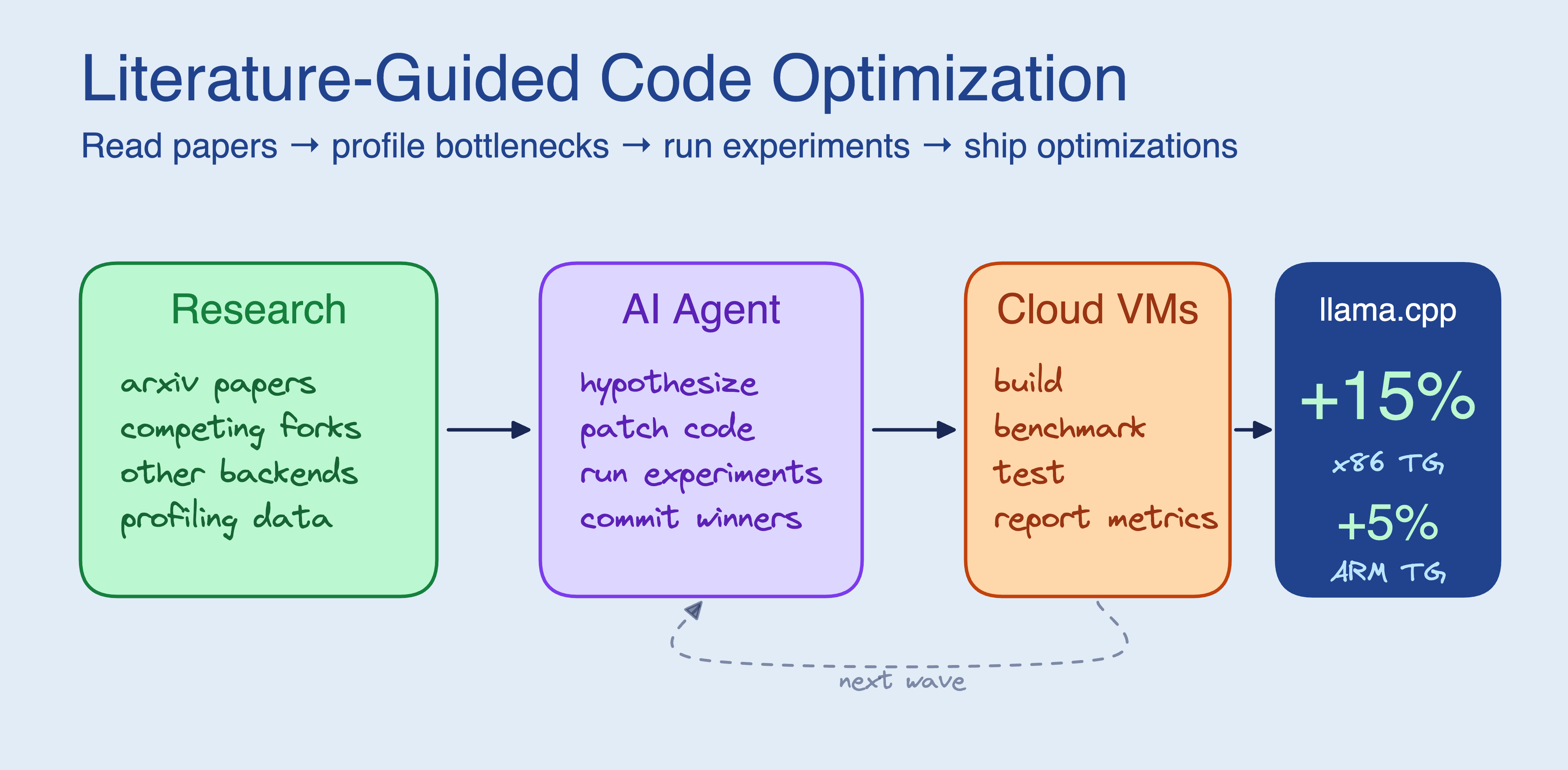
Have you ever Googled how to fix your sink before busting out the toolbox? That's basically what these new AI agents are doing, but with coding. The paper from Skypilot is about "Research-Driven Agents" — a concept where the AI reads up on stuff before dropping any code. Honestly, kind of groundbreaking.
1. Read Before You Code
The big idea here is that these agents do their homework BEFORE jumping to conclusions. Just like you wouldn't DIY a haircut without at least checking a YouTube tutorial first. The AI checks out existing research before it starts coding to solve a problem. Sounds simple, but it’s a huge shift.
Why? Because most AIs just start spitting out code like they're on autopilot. This is more like AI taking a moment to, you know, THINK. Crazy, right?
2. It's All About That Context
Ever tried cooking a fancy recipe without reading it fully first? Yeah, disaster. By reading research, these agents get a fuller picture of what they're working on. They’re not just flying blind with half-baked ideas. They gather context and then put together a plan.
Basically, imagine if Iron Man's JARVIS had to hit the books before saving the world. Same vibe.
3. Better Code, Fewer Mistakes
When AI knows more upfront, it makes fewer rookie mistakes. Think of it like studying for an exam instead of winging it. By doing some research, the AI can avoid common pitfalls, which means it writes better code from the get-go.
And let's be real, nobody likes debugging. Not humans, not robots.
4. The Ripple Effect
You know how when you start eating healthier, suddenly you're also sleeping better and more productive at work? This could be like that for AI. When one little step changes — like reading before coding — it could affect a TON of other areas.
Get ready for AI that's not just "smart" but also "wise." Think Yoda, not just a high school valedictorian.
5. What Could It Lead To?
Here's where things get spicy. This could lead to AI that's more creative and adaptable. Like, picture AI designing entire software systems or inventing new algorithms after skimming a few digital pages. The possibilities are kind of endless.
We're talking about AI that could potentially innovate, not just imitate.
@sama just dropped this and I have thoughts.
Honestly, it's not surprising that people are hyped. This approach could be a game-changer in how AI systems develop over time. It's like teaching your dog calculus instead of just "sit" and "stay." Wild, right?
Here’s the link to the full blog if you want to geek out more. But you get the gist. AIs doing their pre-game warm-up like pros instead of amateurs.
Now you know more than 99% of people.
Now you know more than 99% of people. — Sara Plaintext