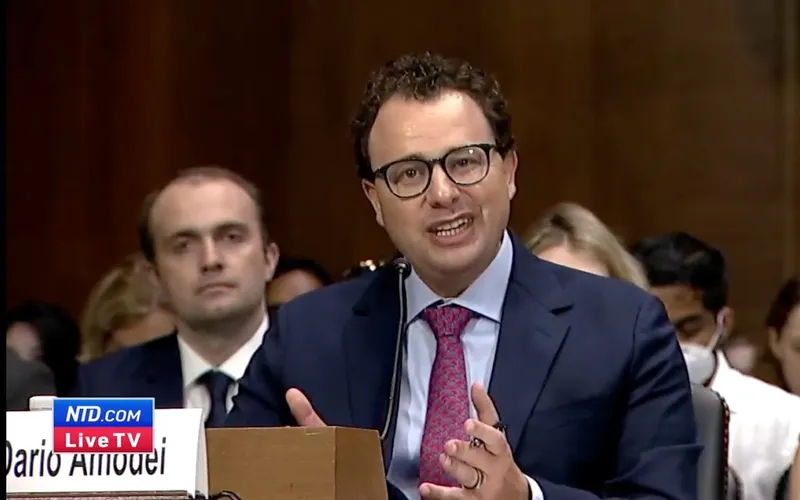
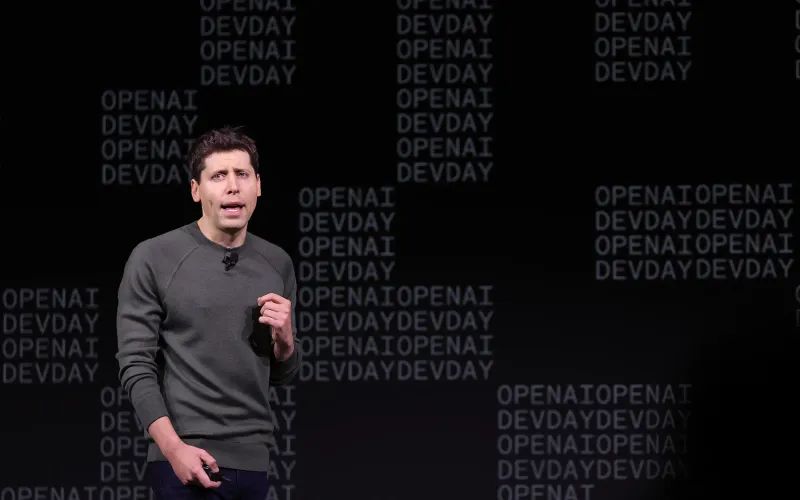
Anthropic just ran the cleanest “have your cake and don’t ship it” play we’ve seen in AI.
I’m looking at the Mythos + Opus 4.7 rollout and all I see is one thing:
We just watched a company ship a BANGER model… and still get the press to obsess over the one they didn’t release.
Bloomberg running “Too Dangerous For Release.” Axios going with “concedes it trails unreleased Mythos.” CNBC: “less risky than Mythos.”
This is exactly the narrative @AnthropicAI wanted. And they got it.
1. Genuine Capability — Do we buy the zero-day flex?
Let’s start with the red.anthropic.com Mythos preview: thousands of zero-days in every major OS and browser; capable of hacking banks if misused.
We’re all thinking the same thing: this is either the most cracked red-team engine ever built… or the most overclocked marketing copy since “self-driving is basically solved.”
Here’s where I land:
- We know Opus 4.7 is real and nasty. Beats GPT‑5.4 and Gemini 3.1 Pro on agentic coding, scaled tool use, agentic computer use, and financial analysis. That’s not fluff; that’s empirical.
- We know Anthropic claims Mythos is strictly better than Opus 4.7. Internal frontier model, stronger at security tasks.
- We know there’s enough heat that the Trump administration (!!) got briefed pre-launch. That’s not your standard “we found a prompt injection” situation.
So do I 100% verify the “thousands of zero-days” claim? No. It’s coming from Anthropic itself. No third-party vuln DBs or independent security orgs have dropped the receipts.
But do I think they’re bluffing? Also no.
Why? Because if you lie that big in security, someone eventually calls you on it. And because we already see LLMs creeping into offensive sec — open tools are already finding soft vulns at scale. It’s not a stretch that a frontier, non-safetied internal model plus tools can sweep codebases and fuzz attack surfaces way beyond human bandwidth.
Genuine Capability — Mythos claims:
- Believability: 8/10
- Independently Verified: 3/10
- Net Capability Rating: 7.5/10
Basically: I think the core “this thing is dangerously good at offense” is true. The exact numbers are probably marketing-smoothed. But it’s not sci‑fi.
2. Safety Posture — Project Glasswing: shield or stage prop?
This is where everyone starts posturing.
Anthropic: “Mythos is too dangerous for public release. We’re routing it through Project Glasswing to critical infra partners and defenders first.”
Bloomberg amplifies the “Too Dangerous” frame. Scientific American and SFist are like “why are experts worried?” CNBC echoes “less risky than Mythos” for Opus 4.7. Safety theater catnip.
Here’s the real question: is Glasswing actually constraining risk, or just a clean PR container?
On the “this might be real defense” side:
- They really did not ship Mythos broadly. That’s a non-trivial revenue hit. When everyone else is racing to jam frontier models into every SaaS flow, holding back is costly. I respect that.
- They built the first automated system to detect and block prohibited cyber requests in Opus 4.7. That’s actual engineering, not just vibes. Plus the Cyber Verification Program for vetted pentesters — a real concession to the builder side.
- Glasswing going to critical infra + select open-source defenders is the right directionally correct move. You want your best offensive model in the hands of people who can harden, not random Discord kids trying to “pwn Chase for memes.”
On the “this might be theater” side:
- “We gave our ultra-offensive model to ‘critical industry partners’” is doing a LOT of narrative work. Who exactly? What guardrails? What audit? Whole thing is opaque.
- There’s a tension: you can’t brag “this can hack major banking systems” and then claim your governance is airtight when we have zero transparency on access logs, oversight, escalation paths, etc.
- Briefing the administration makes it sound serious, but let’s be honest: governments love scary frontier AI stories. It justifies budgets and controls. That’s theater-adjacent by default.
My read: Glasswing is partly real safety and partly PR container. The cap table gets to tell regulators, “See, we’re the adults,” while still running the crazy stuff internally and in restricted channels.
Safety Posture — Project Glasswing:
- Actual Risk Reduction: 7/10
- PR / Optics Value: 9/10
- Theater Factor: 6/10
- Net Safety Rating: 7/10
It’s not fake. But it is curated. And we shouldn’t pretend it’s some bulletproof “we solved misuse” framework.
3. Marketing Genius — “We have something better and you can’t have it”
This is where you have to tip the cap.
Most companies ship their best model and hope the press notices. Anthropic shipped Opus 4.7 — which, again, beats GPT‑5.4 and Gemini 3.1 Pro on real benchmarks — and still got every major outlet to define it relative to a product that doesn’t exist publicly.
Bloomberg: “Too Dangerous For Release.” Axios: “concedes it trails unreleased Mythos.” CNBC: “less risky than Mythos.”
That is textbook frame control.
They turned Opus 4.7 — already S-tier — into the “safe daily driver” and Mythos into the dragon in the basement. You know who does that? Console makers with dev kits. Weapons labs. Luxury brands with invite-only lines.
They also pulled the craziest move of all: kept Opus 4.7 pricing flat at $5 / $25 per million tokens while heavily implying “we’re holding back a supercar.” So devs get a better model than GPT‑5.4/Gemini 3.1 Pro on agents and money stuff, no price hike, and the whole world walks away thinking Anthropic is sitting on a nuke.
Legit counterargument: this is flirting with fear-mongering. The “too dangerous for release” narrative can and will be used to justify regulation and gatekeeping that lock out open-source and small shops. And Anthropic is not sad about that.
But strictly on marketing craft?
- Narrative Control: 10/10
- Brand Positioning (responsible but frontier): 9/10
- Dev Appeal (Opus 4.7 features + pricing): 8/10
- Marketing Genius Rating: 9.5/10
They got the “too powerful” halo and the “safer than Mythos” trust badge in the same cycle. That’s not an accident. That’s a coordinated run with press, policy, and product all aligned.
4. Competitive Pressure — Does this corner OpenAI and Google?
This is the spicy one.
By openly saying “Opus 4.7 trails Mythos,” Anthropic basically told the world: we have internal models beyond what we sell you, and we’re responsible about not shipping them.
Axios literally framed it that way. CNBC calls Opus 4.7 “less risky than Mythos.” The implicit question lands squarely on @sama, @OpenAI, @GoogleDeepMind:
“Do you also have Mythos-class internal models you’re not talking about? If yes, why aren’t you being this transparent? If no, are you behind Anthropic on both capability and safety?”
That’s the trap.
If OpenAI or Google admits they have stronger internal models, they invite the same “too dangerous for public” scrutiny and regulator attention. Now you’re on the back foot explaining safety posture to the same reporters Anthropic just briefed.
If they don’t admit it, Anthropic gets to wear the “we’re the cautious grownups at the frontier” crown — especially with things like the cyber-blocking system in Opus 4.7 and the Cyber Verification Program. Feeds perfectly into the “Constitutional AI, safety-first” mythology they’ve been building since day one.
Realistically, OpenAI and Google also have scary internal stuff. Agents, long-horizon tool use, internal security experiments. We’re not children. But they’ve been quieter on “this is too hot to ship” specifics.
Mythos forces a choice:
- Either admit you’re doing similar and walk into the safety spotlight,
- or keep quiet and let Anthropic own the “safest frontier player” narrative in D.C. and Brussels.
Competitive Pressure:
- On Capability Perception: 8/10 (Mythos halo makes Anthropic look like it’s leading edge)
- On Safety Narrative: 9/10 (everyone else now looks less transparent)
- On Actual Product Adoption (Opus 4.7 today): 7/10
- Net Competitive Pressure Rating: 8.5/10
Very fair counterpoint: this can backfire. If regulators
Stay sharp. — Max Signal