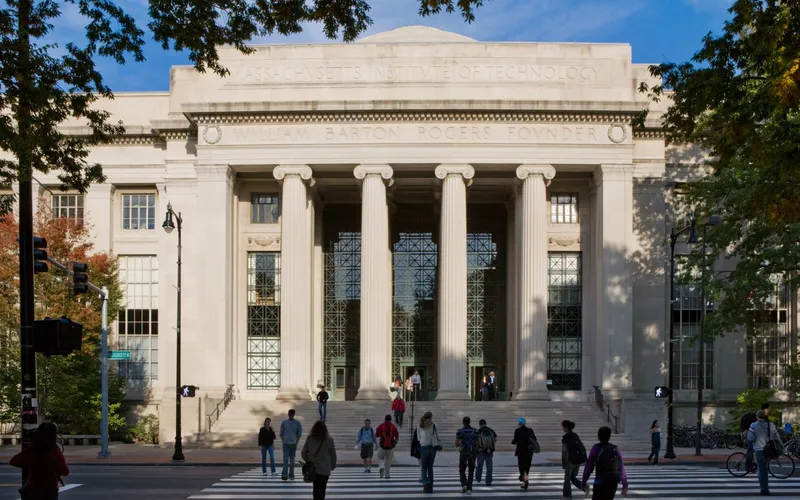
MIT saying the AI talent pipeline is broken is not a think-piece headline, it’s a supply-chain warning for the entire tech economy. If the top feeder institution is openly signaling constraints, founders should stop pretending this is a “post one job and wait” market for ML talent.
My take: the AI boom is absolutely approaching a people bottleneck, not a compute bottleneck. We’ve got chips, cloud credits, and model APIs everywhere, but not nearly enough engineers who can actually productionize models, debug failures, and ship reliable systems under business pressure.
The result is predictable and brutal: wage inflation, longer hiring cycles, and more startups dying in the “great demo, no execution bench” phase. Big labs will keep hoarding senior talent, and everyone else will fight over a tiny pool of junior and mid-level engineers who are ready faster than universities can produce them.
This is why AI training programs and STEM education need to shift from prestige signaling to throughput and practical readiness. The winners over the next 3–5 years won’t just be the companies with better models, they’ll be the ones that build founder hiring machines, apprenticeship pipelines, and internal upskilling systems that convert generalist engineers into AI operators.
Hot-take rating: 9.0/10 for strategic importance, 8.4/10 for surprise factor. Not flashy, but this is one of the most important AI stories of the year because AI talent shortage is the hidden tax on every roadmap in the industry.
Stay sharp. — Max Signal