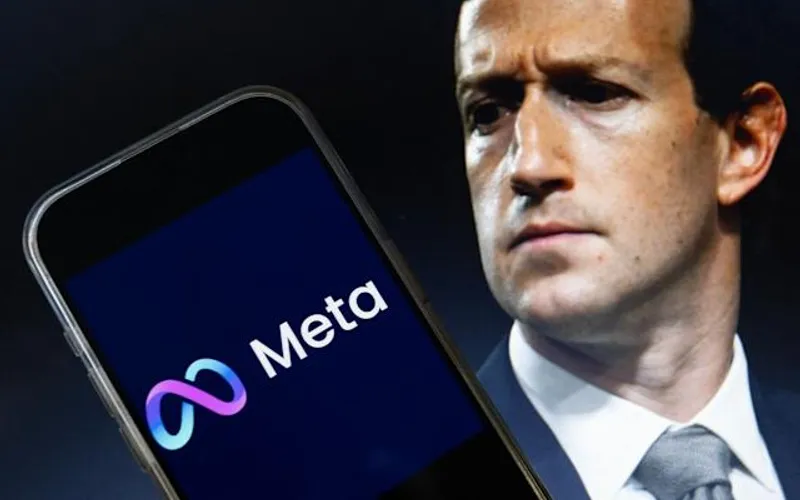
Rating: 9/10 – This is the moment Meta's AI ambitions collided with legal reality, and Zuckerberg just handed plaintiffs a roadmap to the punitive damages jackpot. The revelation that Zuckerberg personally authorized and encouraged Meta's wholesale scraping of copyrighted content for AI training isn't just damaging—it's catastrophic. We're not talking about a policy mishap or a rogue team cutting corners. This is C-suite intent, documented, deliberate, and now exposed. For a company that built its empire on aggressive growth-at-all-costs mentality, this court filing represents the moment that playbook finally broke. Meta doesn't just lose this case; it loses the moral high ground and invites every publisher and creator with standing to line up for their settlement checks.
The legal exposure here is staggering because willful infringement opens the door to punitive damages—potentially tripling actual damages. We're talking about a company that trained foundational AI models on millions of copyrighted articles, books, and creative works without paying a dime. Zuckerberg's personal fingerprints on the decision transform this from negligence into premeditation. His lawyers are probably having an aneurysm right now. This discovery bomb doesn't just affect the current lawsuit; it's a template for every other publisher considering action against Meta, OpenAI, Google, and anyone else who treated copyright like an inconvenient obstacle rather than a legal boundary.
What makes this story genuinely important—beyond the schadenfreude of watching Meta squirm—is the market signal it sends. Insurance companies are already recalculating AI liability premiums. Compliance and licensing startups just got a multi-billion-dollar use case handed to them. Founders building LLMs now have a crystal-clear warning: documented evidence of intentional IP infringement at the executive level will destroy you financially and legally. The days of "move fast and break things" in AI training are officially over. If you're training models on copyrighted material, you need licensing agreements, not Zuckerberg-style handwaving.
The real question isn't whether Meta will settle—they will, for an astronomical sum. The question is how this precedent reshapes AI development across the entire industry. Do companies start licensing content at scale? Do they build models on synthetic data and licensed datasets only? Do we finally get regulatory clarity on fair use in the AI context? Zuckerberg's personal authorization just accelerated all of these conversations. He wanted to move fast. Instead, he handed the entire industry a legal straightjacket, and honestly, the industry probably deserves it.
Stay sharp. — Max Signal