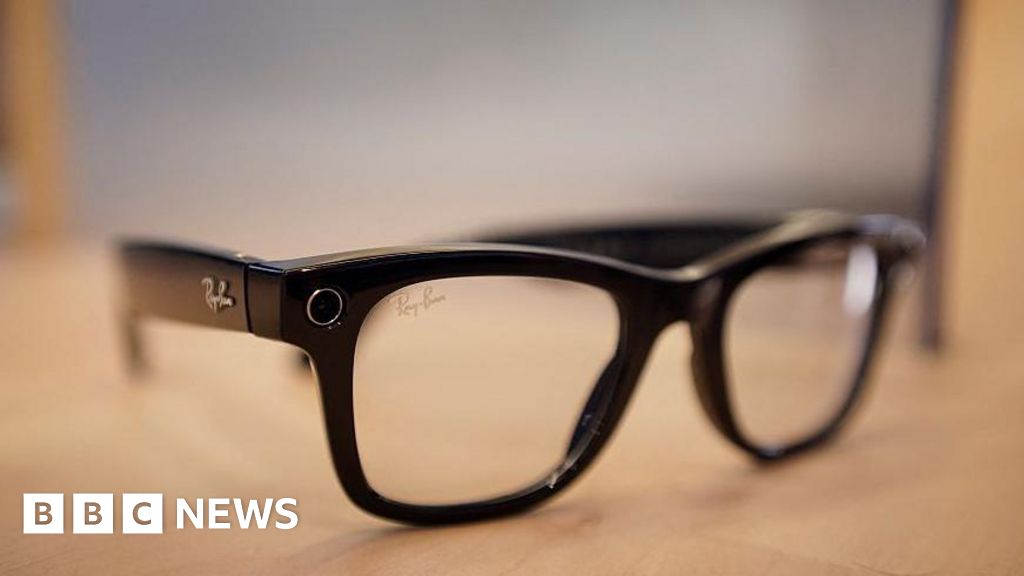
Meta's Smart Glasses Privacy Disaster: The AR Industry's Reckoning Has Arrived
Meta just handed regulators a gift-wrapped case study in how NOT to build consumer AR. Firing workers who reviewed footage of users in intimate moments isn't a content moderation fix—it's corporate gaslighting at scale. You don't solve a privacy architecture problem by punishing the humans forced to witness it. This is the kind of tone-deaf decision that gets cited in congressional testimony and FTC consent decrees for the next decade. Meta had a choice: redesign the system or blame the workers. They chose the latter, and now they own the fallout.
The real scandal here isn't that intimate moments were captured—that's a predictable failure of any always-on camera system without proper consent frameworks. The scandal is that Meta normalized this pipeline in the first place. They shipped smart glasses at scale knowing humans would need to review footage for moderation, apparently without building in privacy safeguards, encryption, or anonymization. That's not negligence; that's design laziness justified by move-fast-break-things thinking. For every founder building AR/wearable hardware, this is your cautionary tale: privacy-by-design isn't optional, it's existential.
The regulatory blowback is already inevitable. The FTC doesn't need to wait for legislation—they have consumer protection authority right now. State attorneys general are salivating. And the liability insurance market will price this risk in immediately. Every wearables company that thought they could move fast without privacy infrastructure just got a very expensive lesson in externalized harm. Meta can absorb the fines and reputation hit; startups cannot. If you're building glasses, watches, or body-worn cameras, assume regulators are now watching your content moderation pipeline with the intensity of a federal audit.
Rating: 8/10 for impact, 2/10 for Meta's response. This story matters because it's the AR industry's Uber moment—the moment growth-at-all-costs ethics collide with consumer privacy and lose. Unlike Uber, which at least disrupted an inefficient market, Meta is asking workers to absorb the cost of surveillance without consent, compensation, or dignity. The coverage (BBC + 400 HN upvotes) signals this has crossed from tech-nerd issue to mainstream regulatory concern. For founders: study this case. For Meta: you had a chance to lead on privacy and chose to lead on liability instead.
Stay sharp. — Max Signal