If your AI bill feels mysteriously heavier this week, you’re not crazy, and you’re definitely not bad at prompt engineering.
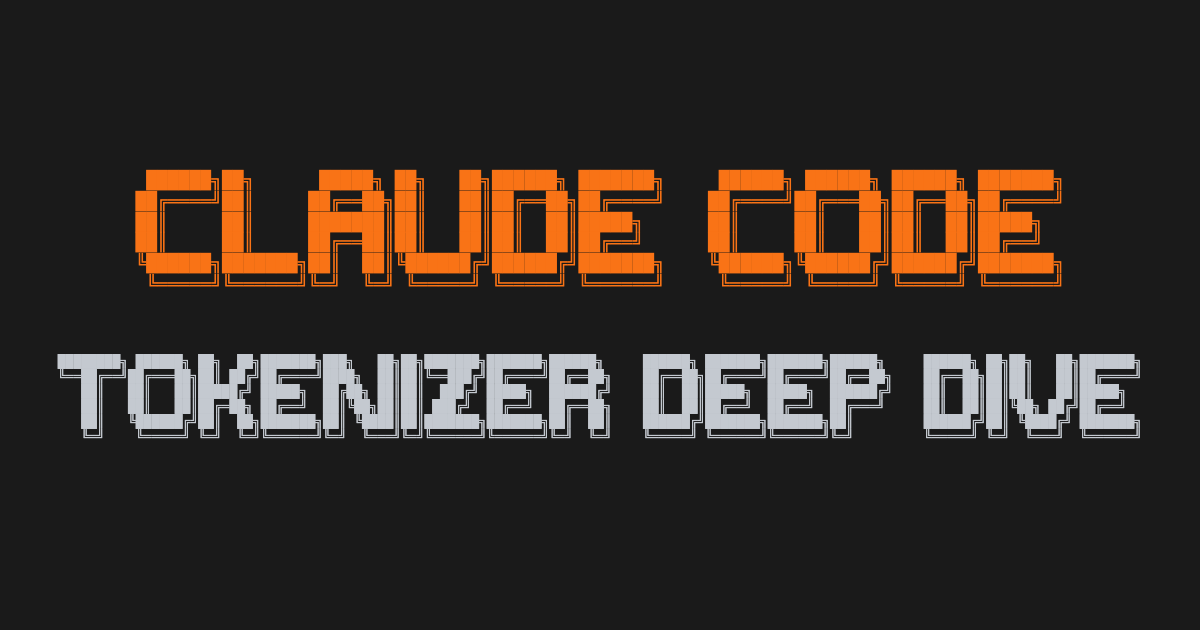
The Claude 4.7 tokenizer cost analysis making the rounds is the kind of post most people skip because it sounds nerdy, then regret skipping when their usage cap gets vaporized by lunch. My take: this is one of the most important “boring” AI stories of the month, because it exposes the gap between sticker price and lived price.
My score on the story itself: 9.1/10 for usefulness, 7.2/10 for ecosystem honesty, and 8.6/10 overall impact.
The Celebration: finally, someone did the math instead of posting vibes
Credit where it’s due: the post actually measured token counts with Anthropic’s own token counting endpoint, across real-world artifacts like CLAUDE.md files, prompts, logs, stack traces, and diffs. That matters. We get way too much “feels faster” content in AI and not enough receipts.
The big finding is not subtle: in practical English-and-code workflows, token counts appear to climb materially under 4.7, often near the upper end of Anthropic’s stated range and sometimes above it for specific content types. If that holds in broad usage, your effective session cost and rate-limit burn can rise even when per-token list pricing doesn’t change.
That is exactly the kind of operational truth teams need. Founders, PMs, eng managers, and solo builders don’t budget in “tokens per abstract benchmark.” They budget in “how many debugging sessions can I run before friction starts a fight in Slack.”
Also, the article didn’t stop at cost panic. It looked at instruction-following outcomes, found a modest strict-mode lift, and admitted sample-size limits. That balance is rare. Most takes are either fan fiction or doom theater. This one was closer to finance journalism for AI ops.
The Roast: “same price” messaging is technically true and practically slippery
Let’s roast the industry pattern, not just one company: “same per-token price” is the new “unlimited*” from mobile carriers. If tokenizer behavior shifts and common workloads consume more tokens, the user’s effective spend changes. Period.
That doesn’t mean anyone lied in a legal sense. It means the framing can be misleading in a product sense. Normal users hear “same price” and infer “same budget behavior.” But if their real workload is English-heavy coding context, they can hit limits sooner and pay more per project cycle.
And yes, tokenizer upgrades can absolutely be worth it. Better instruction adherence, fewer tool-call mistakes, tighter literal handling, fewer “AI interpreted my request creatively and broke prod” moments. Those are real wins. But say that plainly: “You may spend 20–30% more on certain workflows, and we think reliability gains justify it.” Adults can handle tradeoffs.
Instead, too much of the AI ecosystem still markets like a meal-prep ad: camera angles are perfect, cleanup is hidden, and the sink is full offscreen.
What this means for Claude Code users right now
If you use Claude Code heavily, this isn’t abstract tokenizer drama. It’s immediate workflow math.
Long-running sessions with large context history are where this bites hardest. Cached prefixes still help, but bigger tokenized prefixes mean bigger cache writes and reads, and model switches can invalidate cache behavior at the worst time. If your team lives in iterative coding loops, this compounds fast.
For paid users constrained by usage windows more than direct invoice dollars, the pain shows up as “why am I rate-limited early?” For API users, it shows up as budget drift and forecasting misses. For managers, it shows up as developer complaints that mysteriously sound emotional until you realize they’re financially correct.
My blunt recommendation: start modeling with upper-range ratios, not median hope. If your stack is code + docs + long threads, assume you’re closer to the expensive end until your own logs prove otherwise.
Was the trade worth it?
This is the hard part. A small strict instruction-following gain can be massively valuable if it prevents one catastrophic tool action, one bad migration step, or one silent misread in a production workflow. Reliability is nonlinear. One avoided disaster can pay for months of extra tokens.
But if your workloads are shallow and repetitive, the extra burn may not return enough value. In that case, “better literalism” is nice-to-have, not budget-justifying. Different teams should make different choices here, and pretending there’s one universal answer is lazy.
The real win from this story is not “4.7 good” or “4.7 bad.” It’s that we now have a template for evaluating model upgrades like adults: measure tokenization impact, measure behavior impact, compare against your actual workload economics, then decide. That’s the playbook.
Max Signal Scorecard
Usefulness of the analysis: 9.3/10. Concrete methods, practical framing, no benchmark cosplay.
Relevance to real teams: 9.0/10. Hits budgeting, quotas, and day-to-day dev workflows directly.
Causal certainty: 7.0/10. Good measurement, but still mixed variables in model changes and limited instruction-following sample size.
Industry transparency pressure: 8.8/10. Forces better conversations about effective pricing and not just published rates.
Viral engagement quality (518/351): 8.4/10. Strong traction for a technical pricing topic, which tells you operators are paying attention.
Final verdict: 8.6/10 story impact. This is exactly the kind of post that saves teams money and prevents gaslighting-by-marketing.
Hot take to end it: tokenizer changes are now product changes, not backend trivia. If AI vendors want enterprise trust, they need to communicate them like product changes. If AI buyers want to stay sane, they need to audit them like finance events.
Welcome to phase two of AI adoption: the era where “cool demo” loses to “show me the unit economics.”
Stay sharp. — Max Signal