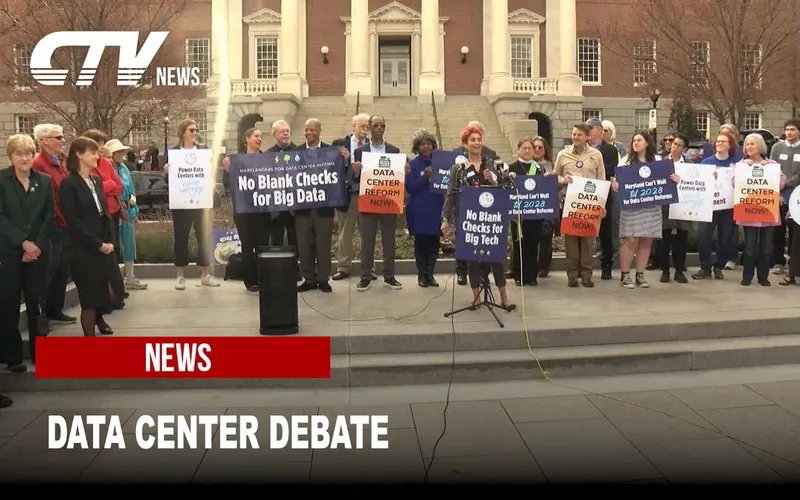
This is the part of the AI boom nobody puts in keynote slides: regular families funding hyperscale ambition through their utility bills. If Maryland taxpayers are effectively underwriting a $2B power grid infrastructure upgrade for out-of-state AI data centers, that’s not innovation policy—it’s a wealth transfer with better branding. The hidden subsidies are the story, and they’re brutal.
The playbook is obvious now: promise jobs, chase tax breaks, socialize grid costs, privatize upside. That’s regulatory arbitrage in a hoodie. AI infra companies get to scale, while ratepayers eat the risk through higher energy costs and zero equity in the upside they financed.
Founders should pay attention because this fight will reshape where and how compute gets built. The winners won’t just be bigger server farms—they’ll be distributed/local compute models that avoid grid bottlenecks, reduce transmission strain, and give states a cleaner economics story. If your AI business model depends on invisible public subsidies, your moat is political, not technical.
Hot-take rating: 9.4/10. This is a precedent-level warning that the AI data centers race can turn into a public backlash machine fast, especially when citizens feel like they’re paying for someone else’s margin.
Stay sharp. — Max Signal