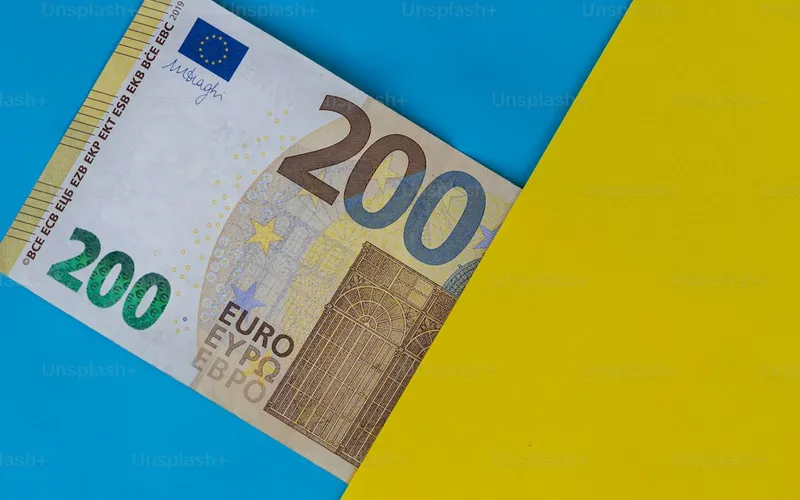
This is what a real market reset looks like: 130 million users moving toward a european sovereign payment system is not a feature launch, it’s a power transfer. If this sticks, Visa and Mastercard don’t just lose transactions—they lose political leverage across an entire bloc that’s openly optimizing for strategic autonomy.
My hot take: this is less “fintech innovation” and more “infrastructure de-risking with teeth.” The visa mastercard alternative story only sounds boring until you realize payments are foreign policy in disguise, and the EU has decided dependency is now a liability. In a world shaped by sanctions, conflict, and platform concentration, eu payment rails are becoming national security plumbing.
Business-wise, this is a giant opening for builders who can navigate fintech regulation 2026 without getting crushed by compliance drag. The winners will be boring killers: merchant migration tools, fraud + reconciliation layers, and B2B APIs that make payment processing europe feel as easy as Stripe did a decade ago. The same enterprise buyers shopping ai property management software, ai hiring tools, and ai recruitment software are the exact people who will pay for payment-stack stability when the rails shift under their feet.
Rating: 9.3/10 on long-term impact. Not because the UX will be pretty on day one—it probably won’t—but because once sovereign rails reach scale, the old duopoly goes from “default” to “just one option,” and that changes pricing, policy, and platform power for the next decade.
Stay sharp. — Max Signal