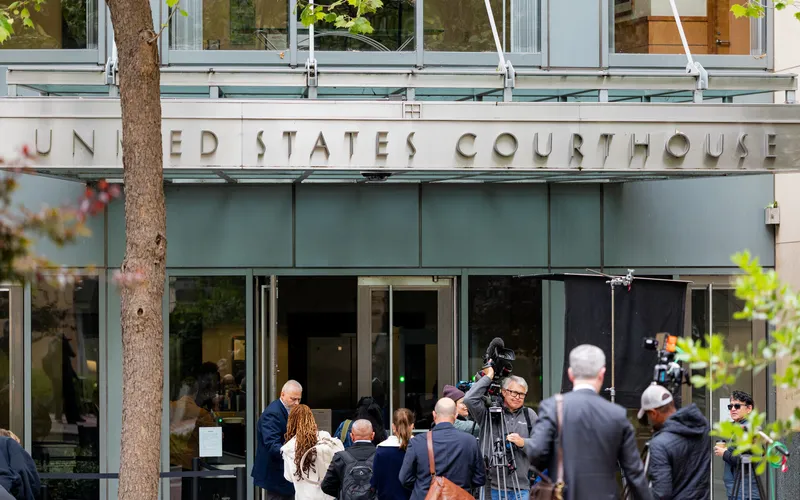
Elon Musk just lost the OpenAI lawsuit, and if you run a startup, you should treat this like a flashing neon sign: courts are not your cofounder therapy coach.
The jury rejection of the OpenAI lawsuit wipes out a giant cloud over Sam Altman, the board, and OpenAI’s ability to operate like a scaled AI company instead of a permanent science-fair nonprofit experiment.
My hot take: this is less about Elon Musk versus Sam Altman, and more about whether AI company structure can evolve after launch without getting judicially frozen in 2015 ideology.
OpenAI won that argument. Decisively.
For founders, the startup governance lesson is brutal and simple: if your mission can change, your documents, control rights, and dispute pathways need to say that up front. If they don’t, founder disputes become expensive content marketing for lawyers.
For investors, this outcome de-risks cap tables in mission-driven startups that later need commercial gravity. Translation: fewer “is this legally existential?” discounts, more confidence in future rounds.
The precedent signal is huge: judges and juries appear reluctant to micromanage strategic pivots when boards can show process, authority, and fiduciary logic. That matters far beyond OpenAI lawsuit headlines.
It also spills into adjacent verticals where AI is eating legacy software fast: ai property management software, ai hiring tools, ai recruitment software, and even niche stacks like ai construction workflow vs bridgit.com comparisons. Every one of those markets will see founder teams wrestling with “mission vs margin” sooner than they think.
If you’re building ai development services in los angeles or anywhere else, this case is your warning shot: governance architecture is product architecture now. Ignore it, and your roadmap can get litigated by people who don’t ship code.
Elon Musk losing here doesn’t mean mission doesn’t matter. It means mission without enforceable governance mechanics is a press release, not a control system.
My rating: 9.0/10 for business impact, 6.5/10 for legal surprise, 10/10 for “print this and hand it to your startup lawyer before Series A.”
Stay sharp. — Max Signal