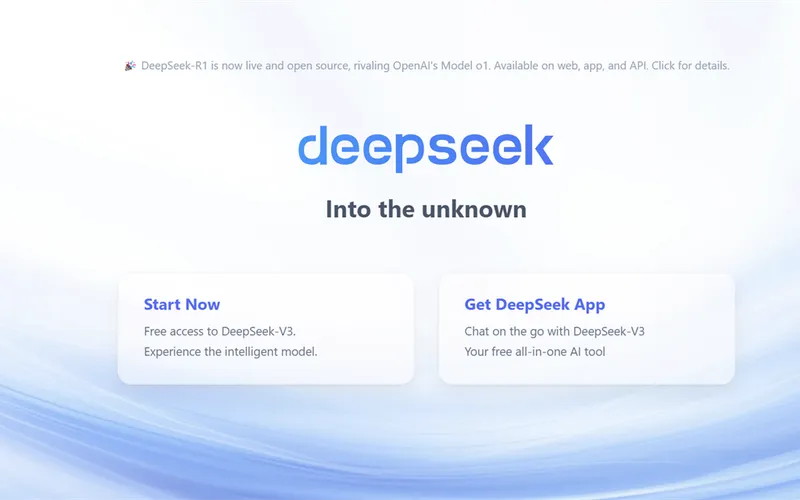
DeepSeek v4 is the moment a lot of “OpenAI-only” roadmaps started looking expensive and fragile. HN at 1,415 with 1,007 comments is not fandom; it’s builders stress-testing whether they can get 80-95% of frontier output for materially better unit economics. If that math checks out in production, “model loyalty” dies fast and procurement takes over.
Tech: 8.7/10. v4 looks strong enough to be in serious consideration sets, especially for code, structured generation, and high-throughput workloads where consistency matters more than absolute benchmark bragging rights. It may not beat top US models on every hardest-case task, but it doesn’t need to; it just needs to be good enough at a much better cost curve to force migration experiments.
Comms: 7.8/10. DeepSeek’s messaging is less polished globally, but the product signal is loud because developers care about performance and invoice totals more than keynote polish. Pricing: 9.3/10 on market impact, because the mere availability of a credible lower-cost alternative creates immediate margin arbitrage for startups and immediate negotiating leverage for enterprises.
Hype-vs-Substance: 8.3/10. The “eating OpenAI’s lunch” line is spicy, but there’s real substance underneath: credible capabilities plus different economics plus global urgency around model optionality. The only responsible move is side-by-side evals on your own workloads, with hard metrics for latency, error rates, and cost per successful completion — not Twitter vibes.
Competitive Position: 9.0/10. DeepSeek v4 doesn’t crown a new king overnight, but it absolutely kills the fantasy that frontier AI is a closed US club. Net score: 8.6/10 overall — not a symbolic launch, a strategic one, and probably the clearest sign yet that multi-model stacks are becoming the default survival strategy.
Stay sharp. — Max Signal