The Wheelfront Story: Why Farmers Are Ditching Smart Tractors for Simple, Cheap Hardware
What Happened
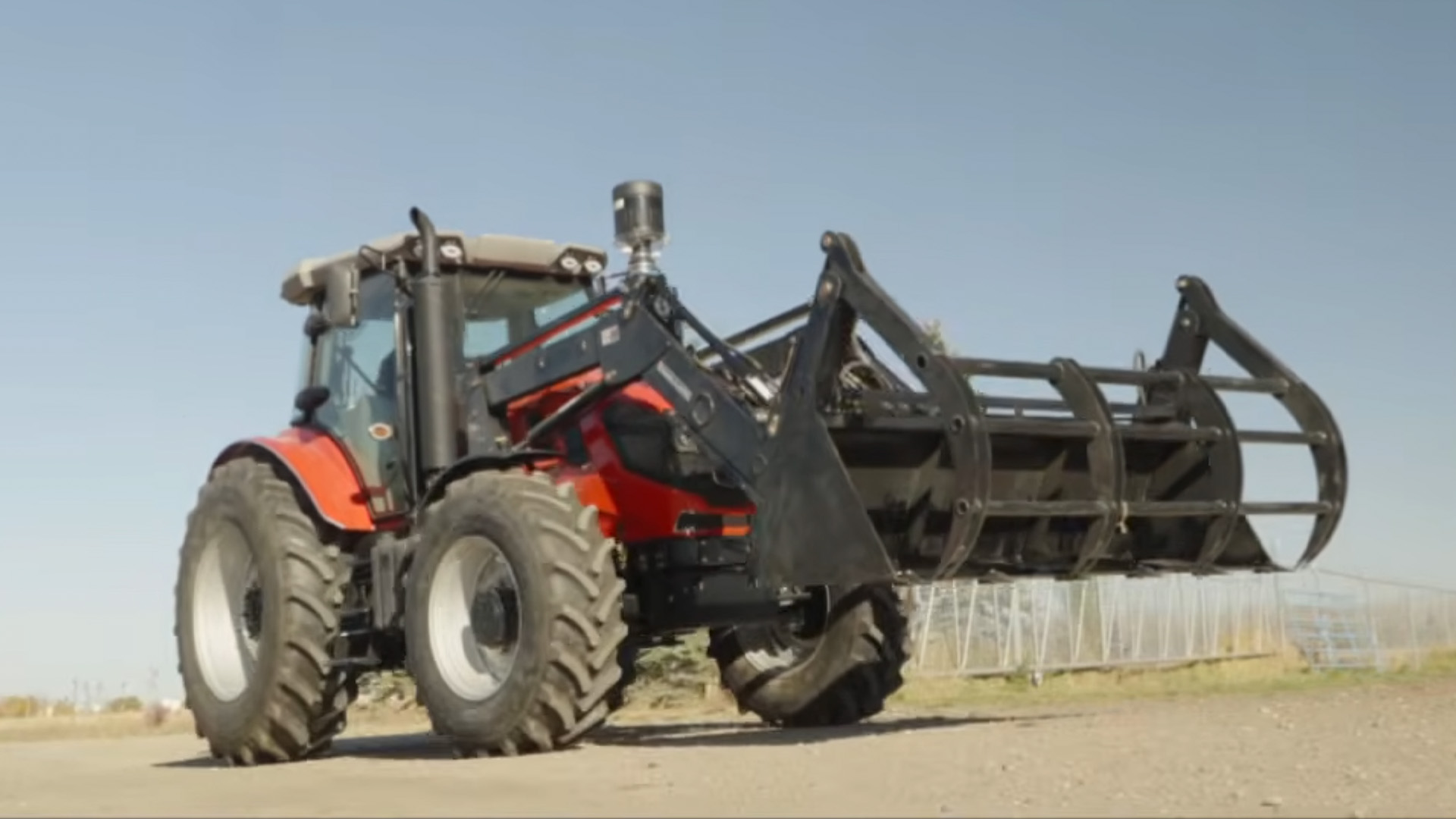
An Alberta startup called Wheelfront did something counterintuitive in 2024: they built tractors without the tech. No GPS. No IoT sensors. No software subscriptions. No proprietary diagnostic systems. Just mechanical farm equipment that does one thing well: pull, plow, and work the land.
The result? They're selling these tractors at roughly half the price of modern competitors. And farmers are buying them in significant numbers. The story hit the top of Hacker News with 2,241 upvotes and 754 comments—an unusual achievement for agricultural equipment. The enthusiasm wasn't driven by nostalgia or Luddite ideology. It was driven by pure economic logic: farmers were sick of paying premium prices for technology they didn't want, couldn't repair, and actively resented.
Why This Matters: The Economics of Unnecessary Complexity
Modern agricultural equipment has become a technological arms race that doesn't serve the farmer. A $300,000 John Deere tractor today comes loaded with embedded systems, cloud connectivity, and software licensing agreements. If something breaks, you can't fix it yourself. You can't even diagnose it yourself. You call a dealer. You wait. You pay premium service rates. You're locked into their ecosystem.
Wheelfront's insight was simple but profound: most farmers don't need this. A farmer needs a reliable machine that works in mud, dust, and extreme weather. They need parts availability. They need repairability. They need affordability. They don't need their tractor reporting telemetry to a cloud server or requiring software updates to function.
The market response reveals something important about tech industry assumptions. In Silicon Valley, the narrative is always "add more tech, add more features, add more connectivity." But in the real world, millions of small and mid-size farm operations operate under brutal margin constraints. For them, a 50% cost reduction isn't a nice-to-have. It's transformative. It's the difference between being able to afford equipment and not.
This also signals something deeper: there's a massive, underserved market for products that optimize for simplicity and cost rather than feature maximization. Farmers aren't anti-technology. They're anti-waste. They're anti-forced obsolescence. They're anti-vendor lock-in. They want tools, not subscription services disguised as tools.
The Founder Signal: Unsexy Wins Big
The Wheelfront story matters beyond tractors because it's a data point about startup thinking. In an era of AI hype, crypto pivots, and metaverse funding, a team of founders looked at a multi-billion-dollar industry and asked: "What if we won by removing features instead of adding them? What if we won by making things cheaper and simpler?"
That's contrarian thinking. It's also increasingly profitable thinking. The venture capital world obsesses over "10x improvements"—but a 50% cost reduction with maintained functionality is a legitimate 2x improvement in value. For an industry like agriculture, where margins are tight and capital constraints are real, that's game-changing.
The Hacker News response—the sheer engagement and positive sentiment—shows that builders and operators across industries are hungry for this kind of thinking. The comments likely contained farmers, engineers, and business people recognizing that this playbook could apply elsewhere: construction equipment, industrial machinery, transportation, consumer goods.
What This Reveals About Market Gaps
The success of Wheelfront's no-tech approach reveals massive untapped demand for "good enough" hardware at reasonable prices. This isn't unique to farming. It exists across manufacturing and equipment industries. Companies have been conditioned by decades of tech industry marketing to believe that more features and more connectivity always equals more value. Reality disagrees.
The tractor market is particularly ripe for disruption because incumbent manufacturers have moved aggressively toward proprietary systems and software licensing. They've essentially decided that their customers are locked in. Wheelfront walked in and said: "We'll give you 80% of the functionality at 50% of the cost, and you can actually own and repair your equipment." That's a winning position when the market is underserved.
What Should Happen Next
For farmers, the immediate opportunity is clear: if Wheelfront's equipment is reliable and maintainable, the choice is straightforward. For entrepreneurs, this is a template. Look at industries where the incumbent player has added unnecessary complexity and cost. Look for the wedge where simplicity and affordability can win. Look for markets where customers feel trapped or overcharged.
For the broader technology industry, the signal should be sobering. The assumption that "more tech" equals "better product" is being challenged. Customers are voting with their wallets for simplicity, ownership, and repairability. This trend will likely accelerate as the true costs of software lock-in and forced obsolescence become more visible.
The Wheelfront story isn't about farming. It's about power, ownership, and the gap between what Silicon Valley thinks customers want and what they actually need. That gap is where the next generation of billion-dollar companies will be built.
Now you know more than 99% of people. — Sara Plaintext