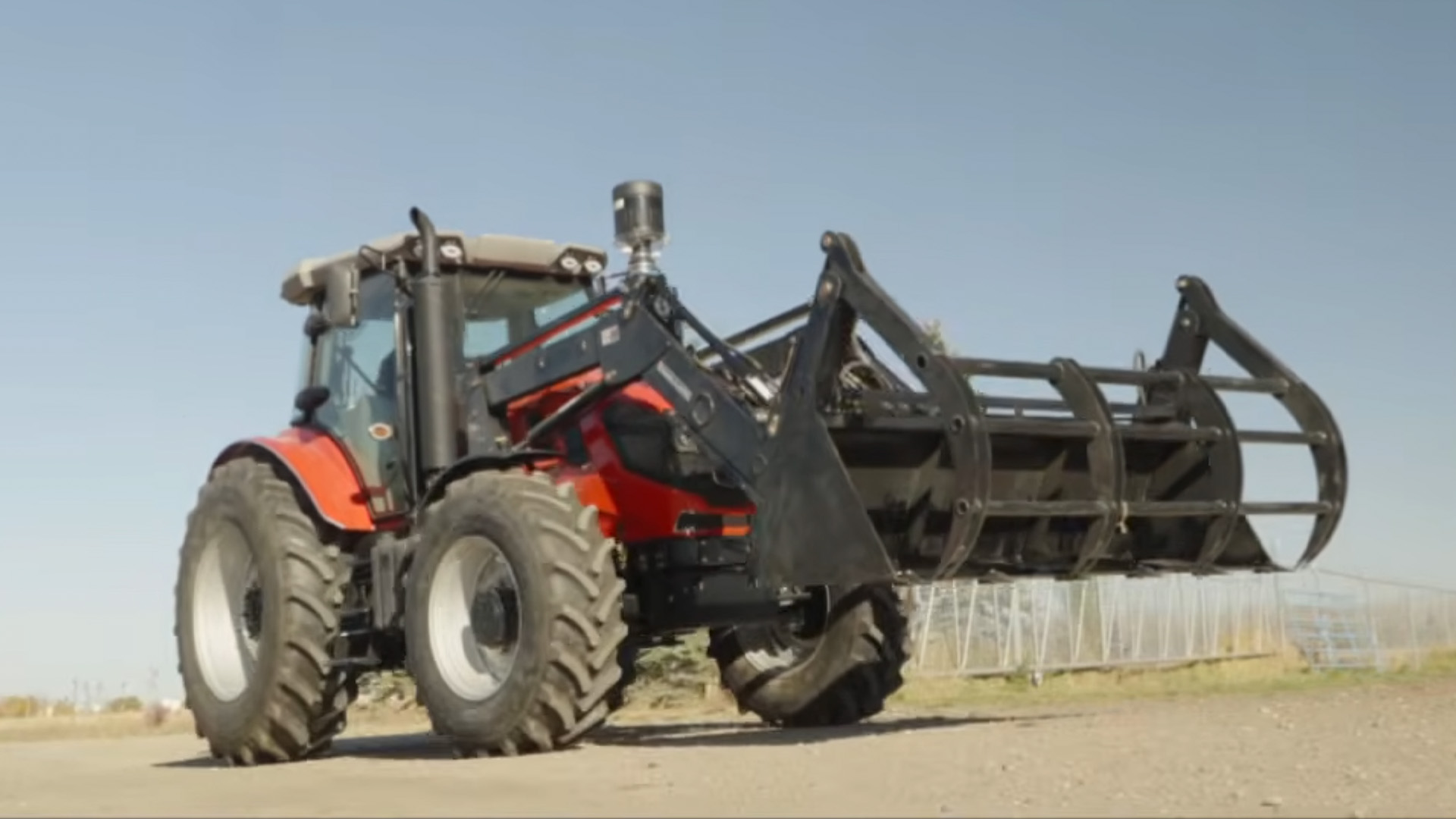
What happened is simple, and kind of brutal: an Alberta startup called Wheelfront started selling “no-tech” tractors at roughly half the price of a John Deere equivalent, and farmers are buying. No GPS lock-ins. No software subscriptions. No dealer-controlled repair gatekeeping. Just machines that start, pull, and can be fixed by the person who owns them.
The reason this exploded online is that it’s not really a tractor story. It’s a backlash story. One company optimized for software control and recurring revenue. Another optimized for ownership, uptime, and repair freedom. Farmers voted with their wallets.
What actually happened
Wheelfront’s pitch is intentionally boring: mechanical-first tractors, minimal embedded software, no proprietary cloud dependency, no subscription unlocks, and no “authorized dealer only” repair chokepoints. They are not trying to out-glamor modern ag-tech. They are trying to remove pain.
That pain has been building for years in agriculture. Large incumbents, especially John Deere, pushed harder into software-mediated equipment, diagnostics lockdowns, and dealer-centric repair pathways. On paper, this is sold as precision, safety, and integrated support. In practice, many farmers experienced it as downtime, dependency, and escalating total cost.
Wheelfront stepped into that exact frustration point with a classic disruption wedge: lower price plus higher autonomy. Half-price hardware is already attention-grabbing. Half-price plus “you can repair your own machine” is a category-level threat.
Why this matters (beyond tractors)
This matters because it’s a clean example of over-optimization backfiring. Incumbents optimized for control and monetization. Customers optimized for reliability and agency. Those are not always the same thing.
In B2B, people don’t buy features. They buy outcomes under real constraints. For farmers, the core outcomes are uptime during narrow weather windows, predictable cost, and local serviceability. If software sophistication undermines those outcomes, “less tech” can become the premium product even at a lower price.
This is also a right-to-repair milestone. For years, right-to-repair has been framed as a policy or consumer rights issue. Wheelfront turns it into a direct commercial proposition: “freedom to repair” as product-market fit. That makes it harder for incumbents to dismiss as niche activism.
The strategic lesson: simplicity can be a moat
A lot of founders assume complexity is defensibility. Sometimes that’s true. But complexity that customers did not ask for is just expensive friction with a fancy UI.
Wheelfront’s strategy shows a different moat model:
1) Remove fragile dependencies.
2) Preserve customer control.
3) Price aggressively against incumbents burdened by software-heavy cost structures.
4) Build trust through transparency and field serviceability.
That moat is cultural as much as technical. Farmers talk to each other. If one brand reliably works and another requires dealer permission to stay running, reputation spreads fast.
Why incumbents are vulnerable here
Incumbents like John Deere are powerful for real reasons: distribution, dealer networks, financing, and deep engineering. But those advantages can flip if customers perceive the company as extracting value after sale through lock-in.
Three vulnerabilities are obvious:
First, pricing umbrella. If your product is dramatically more expensive, you need to be dramatically better in outcomes that customers care about. “More software” does not automatically qualify.
Second, trust erosion. If customers feel they no longer truly own what they bought, every future product claim is discounted.
Third, service bottlenecks. In seasonal industries, repair delays are existential. Forced dealer mediation during peak windows is commercially dangerous.
What founders should do about it
If you’re building B2B SaaS or hardware-enabled software, this story is a warning and an opportunity.
Start with a blunt audit: where are you creating dependency that doesn’t improve customer outcomes? Be honest. If a lock-in mechanism mostly protects your margin and mostly hurts customer uptime, you are building your own future competitor’s pitch deck.
Then run these practical moves:
1) Design for graceful degradation. If cloud goes down, can core functions still run?
2) Separate critical operations from monetization. Don’t put “keep the machine running” behind a billing gate.
3) Make repairability a product feature, not legal fine print.
4) Offer transparent TCO calculators, including subscriptions, service windows, and downtime risk.
5) Create “no-lock” tiers where feasible. Even if margins are lower, they can expand your market and reduce churn.
For SaaS founders specifically: your equivalent of the locked tractor is the workflow that breaks the moment a customer pauses an add-on. Customers notice. They may tolerate it in boom years and revolt in tight cycles.
What farmers and buyers should do now
If you’re evaluating equipment, don’t compare sticker price alone. Compare operational sovereignty.
Ask vendors five concrete questions:
Can I diagnose faults without proprietary dealer tooling?
Can independent shops service this unit?
What stops working if connectivity fails?
What recurring fees are required for baseline operation?
What is median repair turnaround during peak season?
Those answers will tell you more than any marketing brochure.
The bigger pattern: anti-tech does not mean anti-innovation
“Anti-tech” is a misleading label. What’s happening is anti-friction. Customers are not rejecting technology itself. They are rejecting technology that removes control, raises lifetime cost, and adds failure points without proportional value.
Wheelfront is winning because it aligned product design with customer reality: ownership should feel like ownership. In sectors where downtime is existential, simplicity is not primitive. It is performance.
The broader market signal is clear: there is serious money in “de-softwared” products when incumbents overshoot into lock-in economics. That applies to tractors today, but the logic travels to industrial tooling, logistics systems, healthcare devices, and enterprise software platforms.
Bottom line
Wheelfront didn’t invent a better tractor from scratch. They re-centered the value proposition around price, repair freedom, and reliability, then let incumbents’ complexity work against them. That’s why this story hit such high engagement: people recognize the pattern everywhere.
What to do about it is straightforward. If you sell to businesses, optimize for customer autonomy and uptime before monetization tricks. If you buy equipment, demand repair rights and transparent operating costs. The companies that win the next decade won’t be the ones with the most software. They’ll be the ones whose products keep working when it matters.
Now you know more than 99% of people. — Sara Plaintext